How Much Dollar Can I Carry From Nepal? 2026 Rules
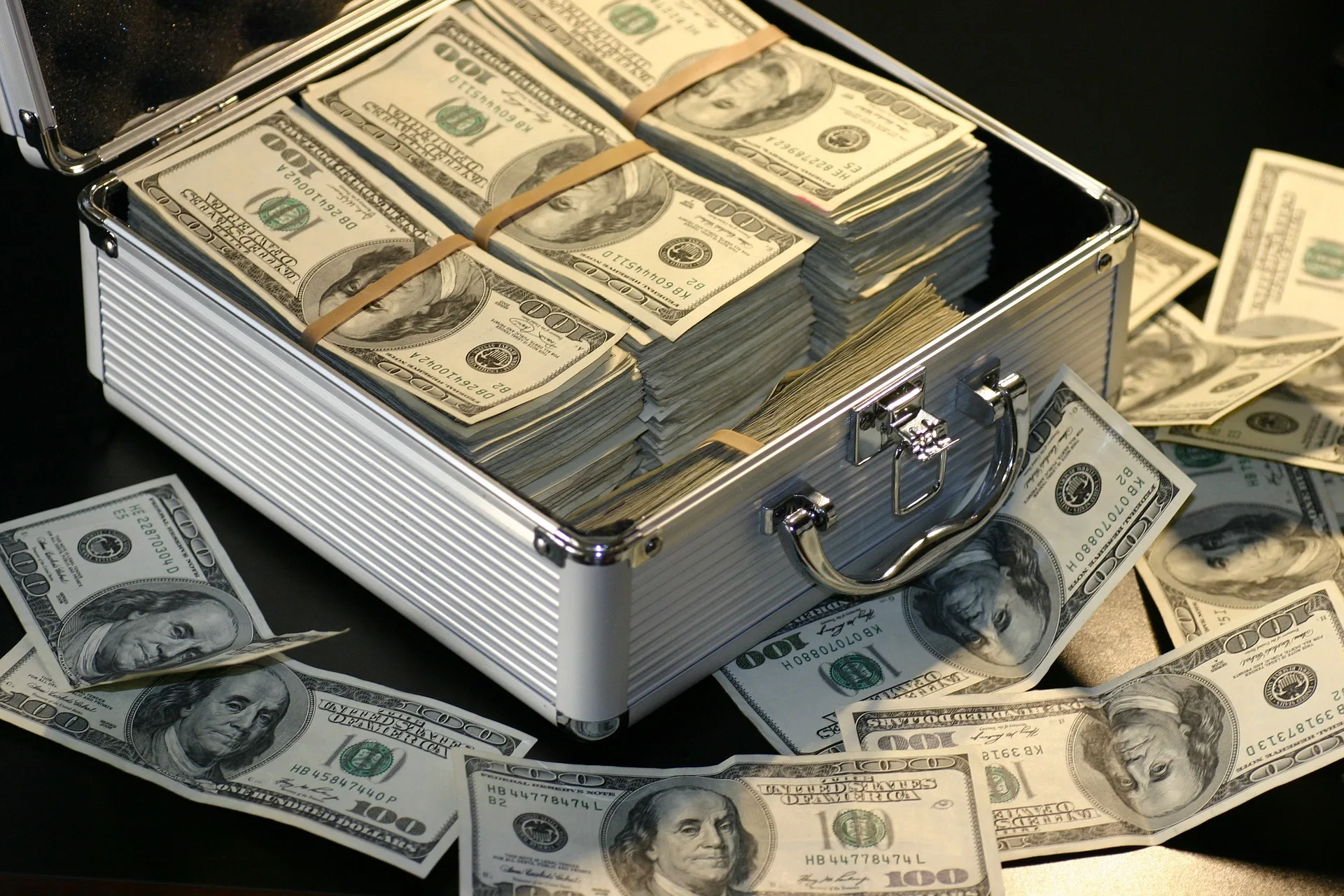
A Nepali traveller can buy up to USD 3,000 for each trip abroad against their passport, about NPR 465,000, for any country except India. A bank gives up to USD 500 of that as cash and puts the rest on a travel card or a draft in your name. The most foreign cash you can carry out of Nepal is USD 5,000, and it has to be written and stamped in your passport by the bank.
These limits are set by Nepal Rastra Bank and apply to holidays in Thailand, Bali, Vietnam, the Maldives, Malaysia, Singapore, Dubai and everywhere else outside India. The amounts are fixed in US dollars, so the rupee figures on this page are approximate and move with the exchange rate.
| Rule | Limit | What it means for you |
|---|---|---|
| Foreign currency you can buy for one trip | USD 3,000, about NPR 465,000 | This is per person and per trip. There is no limit on the number of trips in a year. |
| Part of it a bank gives as cash | USD 500, about NPR 77,500 | The rest goes on a travel card or a draft. The head of the branch can approve more cash. |
| Bought from a money changer | USD 200, about NPR 31,000 | This is the most a licensed money changer can sell against a passport. |
| Foreign cash you can carry out | USD 5,000, about NPR 775,000 | This counts cash left from earlier trips. It must be endorsed in your passport. |
| Nepali rupees you can carry out or bring back | NPR 5,000 | This is per person, in either direction. |
| Foreign cash you can keep at home | USD 1,500, about NPR 233,000 | Anything above this goes to a bank within 35 days. |
How much dollar can you carry from Nepal on one trip?
You can exchange up to USD 3,000, or the same value in another foreign currency, each time you travel abroad. The limit is per passport, so a couple can take USD 6,000 between them. Nepal Rastra Bank's foreign exchange circular sets the amount, and banks call it the passport facility.
Three different numbers get mixed up when people talk about this, and each one answers a different question. USD 3,000 is how much foreign currency a bank can sell you for one trip, in every form added together. USD 500 is how much of that the bank hands over as cash notes. The balance is loaded on a card or written as a draft. USD 5,000 is the most cash you can physically carry through the airport, and it includes any dollars you kept from an earlier trip. So a first-time traveller normally leaves with up to USD 500 in notes and up to USD 2,500 on a travel card. A frequent traveller who kept USD 1,000 from the last trip can carry that as well, provided the cash stays under USD 5,000 in total and the old exchange receipt travels with it.
One thing can reduce it. If a travel company pays a hotel or tour operator abroad for your package, the bank counts that payment, up to USD 1,000 a person, inside your USD 3,000 and notes it in your passport. What is left is yours to exchange.
The facility used to be allowed only twice a year. That cap is gone. The one condition is that you really travelled the last time you took it. On the application form you also promise to return the currency to the bank if you do not travel within one month.
If USD 3,000 is truly not enough, you can apply to Nepal Rastra Bank's Foreign Exchange Management Department with your reason and a PAN certificate, yours or a family member's. It decides each request on its merits.
What documents does the bank need to give you dollars?
The bank needs your passport and a confirmed air ticket. If the country you are visiting issues its visa before travel, it also needs the visa. A printout of an e-visa and an e-ticket is accepted, and the bank checks the copies against your original passport.
- Passport: Take the original. The bank writes the date and the amount in it, signs and stamps it. Go in person if you can.
- Confirmed air ticket: The journey has to start from Nepal or India.
- Visa: Thailand, Bali, Vietnam, Malaysia and Singapore all ask Nepali travellers to get a visa before flying, so carry the printout. For a country that gives the visa on arrival, such as the Maldives, the rule asks only for the passport and ticket. Some banks still list a visa on their travel card forms, so call your branch before you go.
- Application form: The bank gives you a short form. On it you declare where the rupees came from and confirm that you have not taken the facility for this trip from another bank.
Do the exchange a few days before you fly, not on the last afternoon. A branch may need time to arrange dollar notes or a travel card.
How much can you carry as cash, and how much on a card?
Expect up to USD 500 in cash and the rest on a card. Banks are told to give the balance through a prepaid travel card, a foreign currency debit or credit card, or a draft, always in the name of the passport holder. If you have a real need for more cash, the head of the branch can approve it, so ask and explain why.
The travel card is the part most people do not know about. It is a prepaid dollar card that the bank loads with the non-cash part of your USD 3,000. It works in ATMs and at shop and hotel card machines abroad, and it is not meant for use in Nepal or India. Each ATM withdrawal carries a fee, so take out larger amounts less often. Ask your bank what it charges to issue the card and to withdraw cash before you choose it.
Whatever you take as cash has to stay within USD 5,000 when you leave Nepal, counting dollars you kept from an earlier trip. The bank's entry in your passport is your proof that the money was bought legally, so keep the exchange receipt with it.
Buy your dollars from a bank where you can. A licensed money changer can sell only USD 200 against a passport. Never buy foreign currency from an unlicensed dealer. There is no passport entry for that cash, and cash you cannot account for can be confiscated at the airport.
Can you use your dollar card or your normal debit card abroad?
No, not for spending on the trip. The USD 500 a year "dollar card" that many Nepalis hold is made for online payments only. Banks have to block it at ATMs and at shop card machines, so it will not pay for a hotel at the front desk or draw cash in Bangkok. An ordinary rupee debit card cannot be used in these countries either.
| Card | Limit | Where it works |
|---|---|---|
| Travel card issued for your trip | The non-cash part of your USD 3,000 | ATMs, shops, hotels and online payments abroad. |
| Dollar card for online payments | USD 500 in a year, counted from the day the card is activated | Online only, for example an e-visa fee or a hotel booking site. |
| Credit card used abroad | It counts inside your USD 3,000 | Wherever the card network is accepted. |
The dollar card is still useful before you fly. It pays the online fee for an e-visa or a booking deposit. You can hold one from a single bank only, and it needs a PAN.
Do you have to declare money at Kathmandu airport?
The rule for a Nepali leaving the country is the passport entry, not a customs form. Foreign cash up to USD 5,000 has to be endorsed in your passport, and you may not carry more cash than that. Money bought for medical treatment abroad is allowed on top, with the bank's proof of exchange.
Immigration at Tribhuvan International Airport also looks at money from the other side. Its departure checklist for Nepalis leaving on a visit lists at least USD 500, or the same value in another currency, with the bank's stamp, along with a return ticket and a hotel booking. Exchange at least that much through a bank even if your trip is fully prepaid.
- Nepali rupees: You can carry no more than NPR 5,000 per person out of Nepal or back in. Keep enough for the taxi home and leave the rest in your account.
- Indian rupees: A Nepali citizen cannot take Indian rupees to any country other than India, or bring them back from one.
- Coming home: Anyone landing in Nepal with more than USD 5,000 in cash has to declare it at customs.
The penalty for breaking these rules is heavy. Under the Foreign Exchange (Regulation) Act, the currency involved is confiscated, and the fine is between one and three times its value.
Do Thailand, Bali, Vietnam and the Maldives have their own limits?
Each country has its own point at which cash must be declared on arrival, and every one of them is at or above the USD 5,000 a Nepali traveller can carry. If you are inside Nepal's limit, you have nothing to declare when you land. Vietnam is the one to watch, because its line sits at exactly USD 5,000.
| Country | Declare on arrival if you carry more than |
|---|---|
| Thailand | USD 15,000 in foreign notes, under the Bank of Thailand's rules. |
| Indonesia (Bali) | IDR 100 million or more, or the same value in foreign currency, under Indonesian customs rules. |
| Vietnam | USD 5,000 in foreign cash, or VND 15 million. |
| Maldives | USD 10,000 or more. |
| Malaysia | USD 10,000, under Royal Malaysian Customs rules. |
| Singapore | SGD 20,000, under the Immigration and Checkpoints Authority's rules. |
Thailand has a second rule that matters more to a holidaymaker. A visitor on a tourist visa is expected to have funds of at least 20,000 baht per person, or 40,000 baht per family, and an immigration officer can ask to see them when you land. That is about NPR 92,000 per person, or roughly USD 600, which is more than the USD 500 a bank gives in cash. Ask your branch to approve a little more cash for a Thailand trip, or carry your travel card with a printed balance slip. Our guide to the Thailand arrival card covers the other thing to prepare before you land.
Which currency should you take?
Take US dollars. They are the foreign notes banks in Nepal deal in most, and money changers accept them in every country on this page. Do not count on changing Nepali rupees abroad.
For Bali, Vietnam and the Maldives, plan on dollars from the start. Nepal Rastra Bank does not publish a rate for the Indonesian rupiah, the Vietnamese dong or the Maldivian rufiyaa. It does publish daily rates for the Thai baht, the Malaysian ringgit and the Singapore dollar, so you can ask your bank whether it has those.
Ask for a mix of notes, with some small ones for the first taxi and tips. Check every note at the bank counter, because money changers abroad can refuse torn or marked ones.
What happens to the dollars you bring back?
You can keep up to USD 1,500 in foreign cash at home for your next trip. Anything above that has to be changed back into rupees or put into a foreign currency account at a bank in Nepal within 35 days.
Dollars you keep count towards the USD 5,000 cash limit the next time you fly, so keep the old exchange receipt with them. If a balance is left on your travel card, ask the bank about moving it into a foreign currency account.
When do these limits not fit your trip?
For most holidays the limit is not the problem. A week in Thailand, Bali or Vietnam with flights and hotels paid in advance needs far less than USD 3,000 a person in spending money, so there is no reason to exchange the full amount. Exchange what the trip needs, plus a reserve for an emergency.
The rules do get tight in a few cases.
- You want to carry everything as cash. The bank starts at USD 500 in notes. More needs the branch head's approval, and USD 5,000 is the ceiling.
- You are paying hotels and tours yourself after you land. A long trip for one person, paid on the spot, can come close to USD 3,000. Pay the big items before you fly where you can.
- You are travelling by road. A private trip overland to Tibet or to a SAARC country other than India gets USD 1,000 a trip and USD 2,000 in a fiscal year.
- You are going to India. The passport facility does not cover India. Indian rupees follow separate rules.
- You are a student or travelling for medical treatment. Separate, larger facilities apply, with their own documents. Ask your bank about those and do not rely on the holiday limit.
We are a travel company, not a bank. We cannot sell you foreign currency, and nobody outside a bank or a licensed money changer legally can.
How Travel Nepal Holidays helps with your travel money
We give you the papers the bank asks for and tell you how much the trip really needs on the ground. That way you exchange the right amount once.
- Ticket and visa printouts. You get your confirmed e-ticket and visa as soon as they are issued, so you can go to the bank in good time.
- A spending estimate for your itinerary. We tell you what is already paid in your package and what you will pay for yourself, in the local currency.
- Payments abroad made for you. Hotels, transfers and tours in your package are paid through our bank. Under Nepal Rastra Bank's rules, an amount a travel company sends abroad for your trip is counted within your USD 3,000 and noted in your passport. We tell you the figure so that you know how much of your limit is left.
Carrying money from Nepal: common questions
You can buy up to USD 3,000 per trip against your passport for any country except India. A bank gives up to USD 500 of it as cash and the rest on a travel card or draft. The most cash you can carry out is USD 5,000, endorsed in your passport.
The same USD 3,000 per person applies. Thailand asks visitors on a tourist visa to be able to show at least 20,000 baht per person or 40,000 baht per family, about USD 600 per person, so do not land with less than that available.
Nepal's limit is the same for every country except India: USD 3,000 per trip from the bank, and no more than USD 5,000 in cash. The lower amounts of USD 200 or USD 500 apply only to people leaving for foreign employment, not to visitors.
The passport facility does not apply to India. A Nepali or Indian citizen can carry Indian notes of 200 and 500 up to a total of INR 25,000 per person. Notes of INR 100 and below are allowed under the usual rules, and the INR 2,000 note is not allowed at all.
Per trip. There is no yearly cap on the number of trips by air. The bank only checks that you actually travelled the last time you took the facility.
The rule gives the amount against each passport and sets no separate figure for children. Ask your bank how it handles the form for a child's passport.
Yes, but only up to USD 200 against your passport, and only at a licensed money changer. For anything more you need a bank.
Only NPR 5,000 per person, out of Nepal or back in. Do not count on changing Nepali rupees abroad. Take dollars for the trip.
Take the currency back to the bank. The form you sign says you will return it if you do not travel within one month.
Nepal Rastra Bank changes these limits from time to time, usually with a new monetary policy in July. Confirm the current figures with your bank before you exchange.
Packages that match this guide
Everything above is priced for booking it yourself. If you would rather it was arranged for you, these are the trips this guide is about.
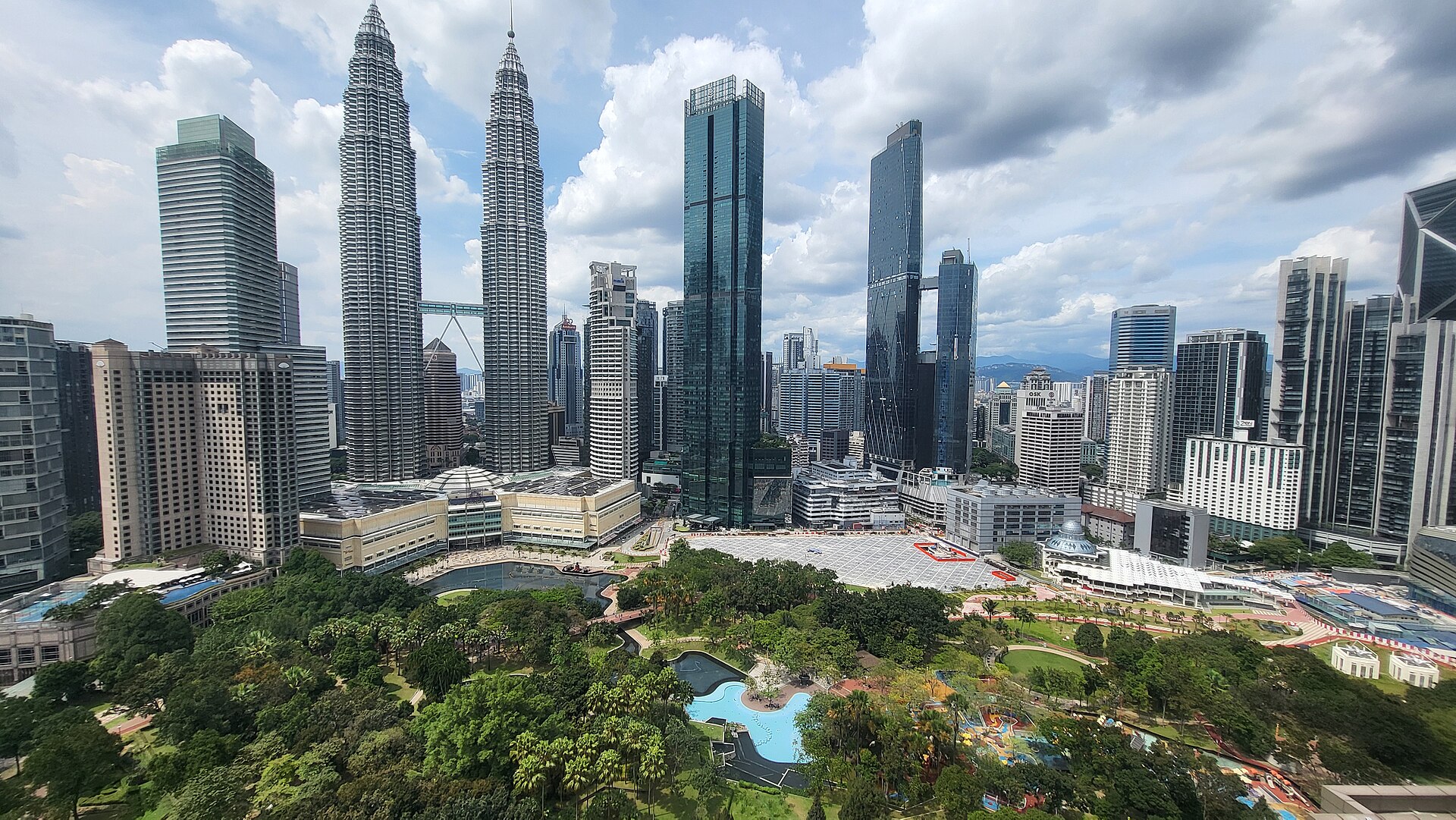
Kuala Lumpur and Genting Short Break
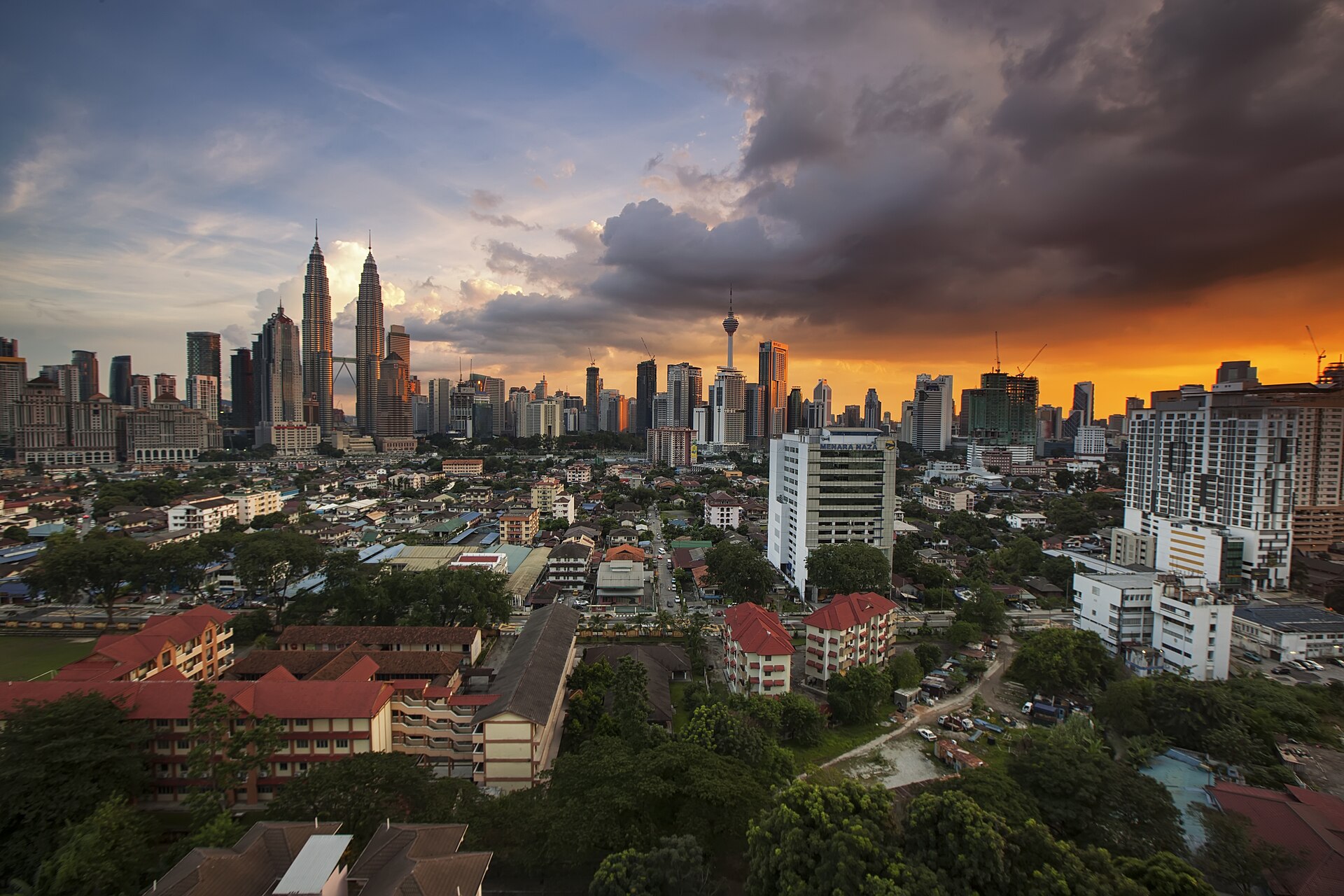
Kuala Lumpur, Genting and Malacca
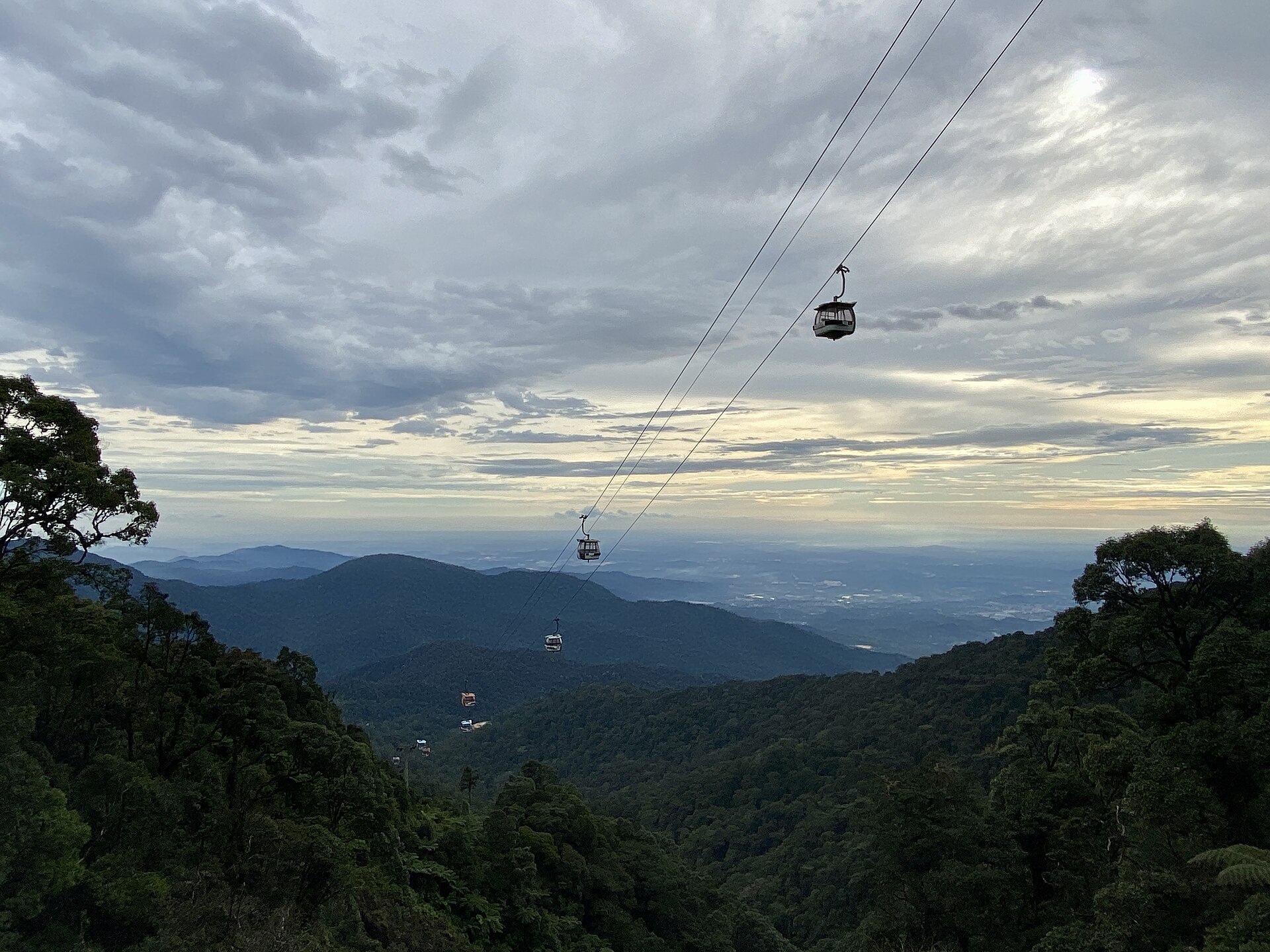 Family
Kuala Lumpur Family Holiday
Planning an international holiday?
Explore packages designed for Nepali travellers, with visa guidance and support from Kathmandu.
Explore Holiday Packages