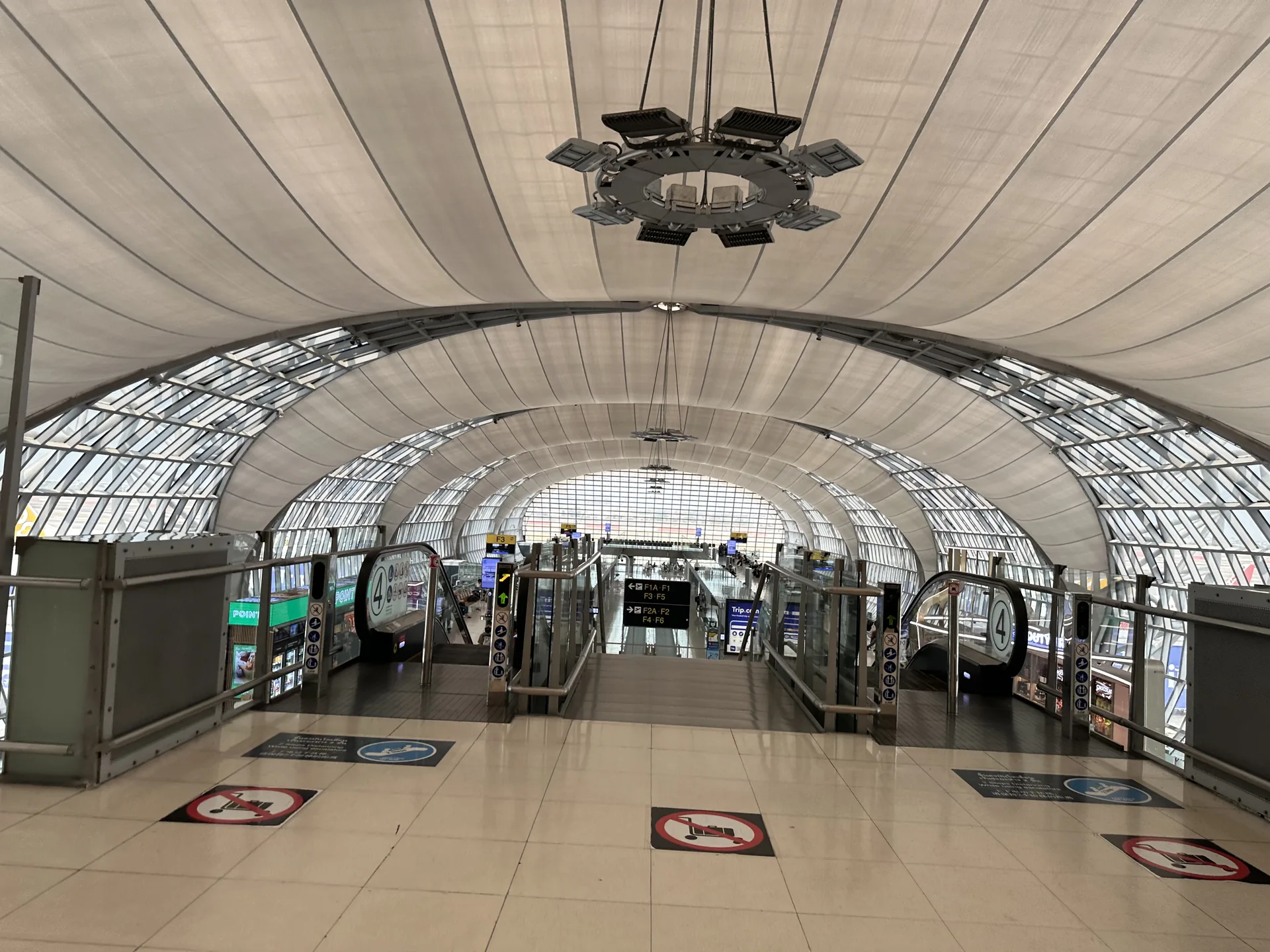
Thailand Digital Arrival Card (TDAC) for Nepali Travellers 2026: Step by Step
Every Nepali traveller flying to Thailand in 2026 must fill in the Thailand Digital Arrival Card, or TDAC, online before landing. It is free, it takes about five minutes per person on the official site, and it can be submitted no more than three days before your arrival date. The card replaced the paper TM6 form that used to be handed out on the plane, so there is nothing to fill in during the flight any more.
The arrival card is not a visa. A Nepali passport still needs the Thai e-visa approved before you fly. The card is the second, much quicker form, and you show its QR code at the immigration desk in Bangkok.
Thailand arrival card | The rule |
|---|---|
Who needs it | Every non-Thai traveller, including infants and children. |
Cost | Free. The only site is tdac.immigration.go.th. |
When | No more than three days before the date you land. |
What you get | A QR code on screen and by email. Show it on your phone. |
How often | A new card for every entry into Thailand. |
Is an arrival card required for Thailand?
Yes. Since 1 May 2025 every foreign national entering Thailand by air, land or sea has to complete the digital arrival card before immigration. There is no paper alternative, and the card is needed whatever visa you hold, so a Nepali tourist with an e-visa and a Nepali official passport holder who needs no visa both fill it in.
Children are not exempt. A family of four submits four cards, which you can do in one go from one phone.
Thai Immigration can refuse entry to a traveller whose card has wrong information, so the five minutes are worth doing carefully.
How many days before can you fill in the Thailand arrival card?
The Thailand arrival card can be submitted no more than three days before your arrival date, and the form does not open earlier. If you land in Bangkok on a Saturday, fill it in on Thursday or Friday. Two days before you land is the safe habit, because it leaves time to fix a mistake and still stays inside the window. Two details matter for travellers leaving from Kathmandu. The arrival date is the date you land in Thailand, in Thai time, which is 1 hour 15 minutes ahead of Nepal. Every direct flight from Kathmandu lands on the same calendar day it leaves, including the Thai Airways service that departs just after midnight. That flight is the trap. If you think of it as the Friday night flight but it leaves at half past midnight on Saturday, your arrival date is Saturday, not Friday, and a card dated Friday is wrong.
The site does not save a half-finished form and sends no reminders, so set your own. Our package travellers get a message from us two days before departure.
What information does the TDAC ask for?
The card asks for your passport details, your flight number and arrival date, the address where you will stay, your reason for travel and your email address. Gather these before you start, because the form has to be finished in one sitting and every answer must be in English.
Section | You fill in | Where to find it |
|---|---|---|
Personal information | Family name, first name, passport number, nationality, date of birth, gender, occupation, country and city of residence, phone number. The visa number box is optional. | Your passport. For the visa number, the e-visa approval email. |
Trip information | Date of arrival, country where you boarded (Nepal), purpose of travel (Holiday), mode of travel (Air) and the flight number. Departure details are optional. | Your ticket. |
Accommodation | Type of stay, province, district, sub-district and the street address. Postcode is optional. | Your hotel booking. Copy the address line exactly. |
Health declaration | The countries you stayed in during the two weeks before arrival. | Usually only Nepal. |
Flight number: write it as it appears on the ticket. The direct flights from Kathmandu are Thai Airways (TG) and Nepal Airlines (RA), which land at Suvarnabhumi, and Thai AirAsia (FD) and Thai Lion Air (SL), which land at Don Mueang. If you connect through Delhi or Kuala Lumpur, give the number of the last flight, the one that lands in Thailand.
Accommodation: Bangkok hotels are in Bangkok province. Pattaya hotels are in Chon Buri province, and Phuket hotels in Phuket province. The district and sub-district are on the hotel's own address, so take them from the booking confirmation rather than guessing. For a trip with two hotels, enter the first one.
How do you fill in the Thailand arrival card, step by step?
The whole process is on one website and works in a phone browser. These are the screens in order.
Open the official site. Go to tdac.immigration.go.th and choose Arrival Card. Any site that asks for payment is not the official one.
Enter your passport details. You can scan the two-line code at the bottom of your passport page or type the details in. Check every field after a scan, because the camera sometimes misreads a letter.
Add the rest of your personal information. Occupation, gender, country and city of residence, and a phone number with the +977 code.
Enter the trip. Arrival date, Nepal as the boarding country, Holiday as the purpose, Air, and the flight number.
Enter the hotel. Type of accommodation, province, district, sub-district and the address from your booking.
Answer the health question. List the countries you stayed in during the past two weeks.
Add other travellers, if any. Choose Add Other Travelers and repeat the steps for each person. A single submission can hold up to ten people, and Same as Previous Traveler copies the flight and hotel details so you only type them once.
Preview, then enter your email. Read every line against the passports. Use Edit to correct anything now, because the name, nationality and date of birth cannot be changed after you submit.
Accept the terms and submit. Download the card and keep the email copy. Each traveller's card carries a QR code and a card number.
Save the PDF to your phone and send a copy to someone else in the group. The email can sit in a spam folder, so check there before you assume it never arrived.
What do you show at immigration in Bangkok?
You show the QR code on your phone, together with your passport and the printed e-visa approval. Nothing has to be printed for the arrival card itself, though a paper copy is sensible if your phone battery is unreliable or you are travelling with an older relative who does not carry one.
If the email with the QR code never arrives, tell the immigration officer at the desk. Keep the card number from the download screen, because that is how the submission is looked up.
At the airline counter in Kathmandu, the staff check your e-visa. Have the arrival card ready as well, so that nothing is being filled in at the front of the queue.
What if you make a mistake on the TDAC?
Most fields can be corrected before you travel. On the home page choose Update Arrival Card, enter the card number, your date of birth and nationality, and edit the card. A new flight date, a new flight number or a different hotel are all changed this way.
Your name, nationality and date of birth cannot be edited. If one of those is wrong, or the passport number is wrong, submit a fresh card. Immigration uses the latest valid submission, so the old one does no harm.
If you only notice at the airport in Thailand, there are kiosks and free Wi-Fi in the arrival halls at Suvarnabhumi and Don Mueang, as well as at Phuket, Chiang Mai and Hat Yai. A kiosk prints nothing, so photograph the QR code on its screen before you walk away.
When do you not need a Thailand arrival card?
You do not need the card if you only change planes in Bangkok and never pass through immigration. A traveller going from Kathmandu to Bali on one ticket through Suvarnabhumi, with bags checked through, stays in the transit area and submits nothing. The moment you leave the airport, even for one night, the card is required.
Be careful with separate tickets. If you booked Kathmandu to Bangkok and Bangkok to Bali as two bookings, you will usually have to collect your bags, which means clearing immigration. Then you need both the arrival card and a Thai visa.
The card also does not do three things people hope it does. It is not a visa, so it does not replace the e-visa that the Royal Thai Embassy in Kathmandu requires. It does not guarantee entry, which stays at the officer's discretion. And it is not valid twice: a day trip to Malaysia and back means a second card.
You also do not need anyone to do it for you. The form is simpler than the visa application, costs nothing and needs no documents uploaded. The only reasons to hand it over are a group of ten with one organiser, or a traveller who is not comfortable with an online form in English.
How does the arrival card fit the Thai visa for Nepali travellers?
The visa comes first. Nepal is not on Thailand's visa exemption or visa on arrival list for ordinary passports, so every Nepali tourist applies on the Thai e-visa platform and waits for the embassy's approval, which takes at least seven working days. Our guide on how to apply for the Thailand visa from Nepal covers the documents and the fee.
The arrival card comes last. Apply for the visa a month before the trip, book the hotel, and fill in the card two days before you fly, when your flight and hotel are fixed and nothing will change.
If you hold the visa and want help with the rest, our Bangkok and Pattaya trip and the Bangkok Pattaya family holiday include the hotels whose addresses go on the card.
How Travel Nepal Holidays handles your arrival card
For travellers on one of our Thailand trips, we fill in the arrival card for the whole group with your permission, two days before departure, using the passport copies and the hotel booking we already hold. Each person's QR code goes to you on WhatsApp and by email. If a flight changes, we update the card and send the new code. For travellers who only booked a visa through us, we send the link and the hotel address line at the right time so you can submit it yourself in five minutes.
Thailand arrival card: common questions
Yes. Every foreign traveller, including children, must submit the Thailand Digital Arrival Card online before entering Thailand. It replaced the paper TM6 form on 1 May 2025.
No more than three days before your arrival date. The form does not open earlier. Two days before you land is the comfortable time to do it.
Nothing. The official site at tdac.immigration.go.th is free. A site that charges a fee for the arrival card is not the official one.
Yes. Infants and children each need their own card. One adult can submit the cards for the whole family in a single group submission of up to ten people.
No. Show the QR code on your phone at immigration. Print a copy only if you will not have a working phone when you land.
Use Update Arrival Card on the official site with your card number, date of birth and nationality. Name, nationality and date of birth cannot be edited, so for those submit a new card. The latest valid card is the one immigration uses.
Update the card before you travel. Flight number, arrival date and accommodation can all be changed through Update Arrival Card.
No. A card is valid for one entry. If you leave Thailand and come back, even on the same trip, submit a new card for the second arrival.
Not if you stay in the transit area and do not pass through immigration. If you leave the airport, or have to collect your bags and check in again, you need one.
The official system is the website at tdac.immigration.go.th, and it works in the browser on any phone. Fill it in there rather than through a third-party app.
Thai Immigration can change the arrival card rules at short notice. The official site always shows the current notice, and we check it before submitting any card for you.
Packages that match this guide
Everything above is priced for booking it yourself. If you would rather it was arranged for you, these are the trips this guide is about.
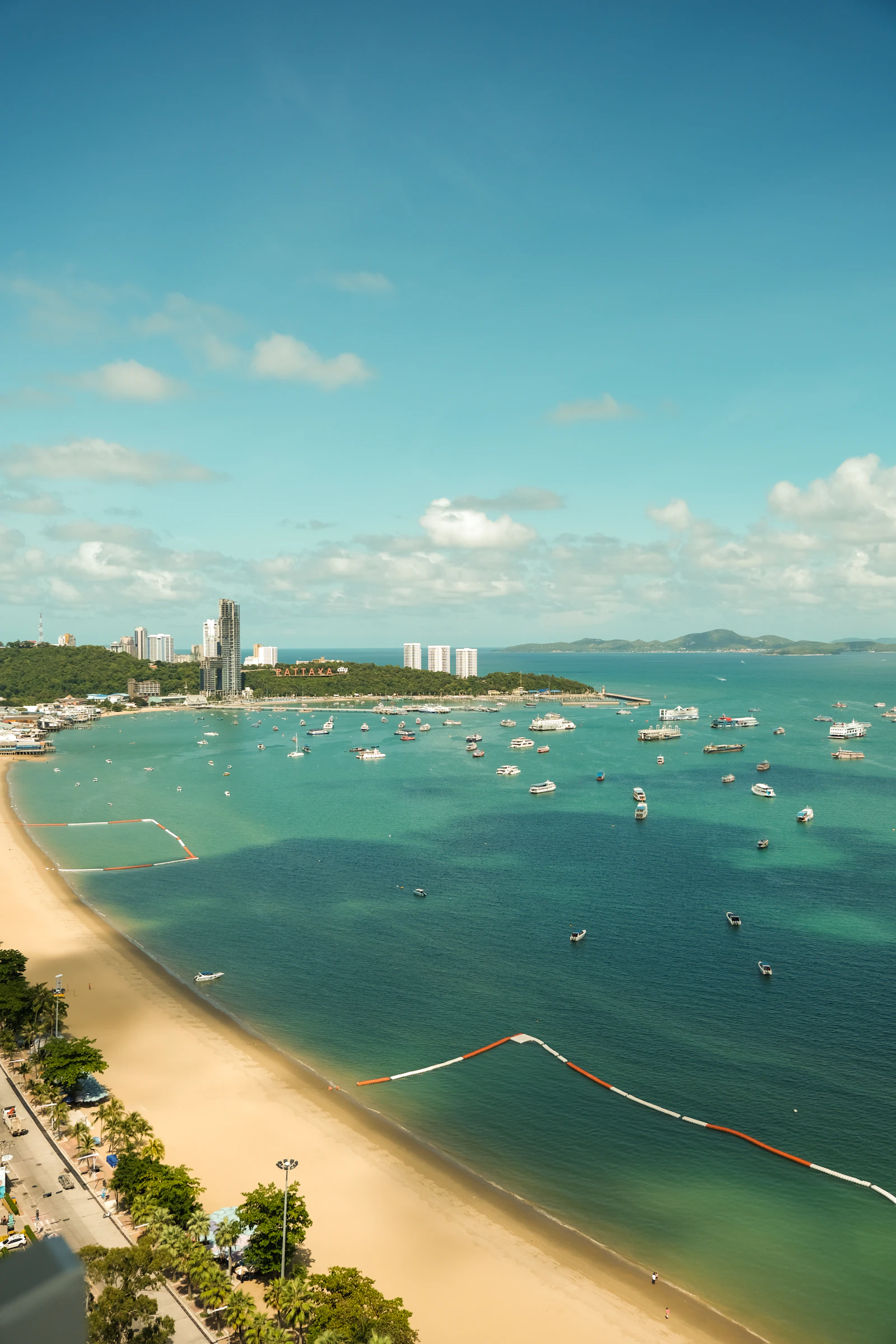 Family
Bangkok & Pattaya Family Holiday
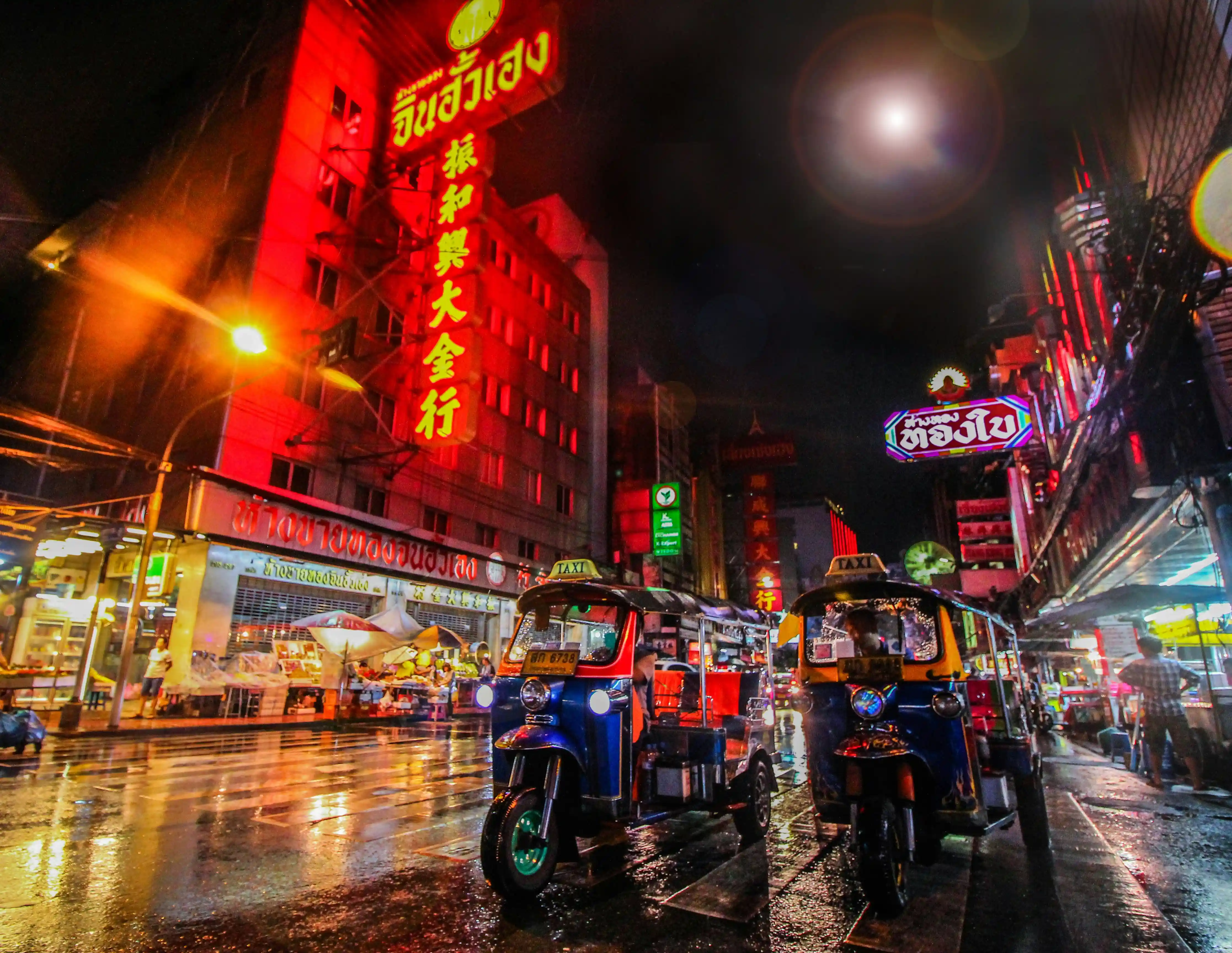
Bangkok Pattaya Starter
Planning an international holiday?
Explore packages designed for Nepali travellers, with visa guidance and support from Kathmandu.
Explore Holiday Packages