The Best Trekking Destination in Nepal
If you ask ten different people to name the single best trekking destination in Nepal, you will get ten completely different answers. A twenty-something backpacker fresh off a month in the Himalayas will swear by the rugged, crowd-free isolation of the Manaslu Circuit. A luxury traveler will insist that flying by helicopter to a premium lodge in the Everest region is the only civilized way to do it. A photographer might point you toward the mirror-like reflections of the Gokyo Lakes, completely ignoring the main base camp trails.
They are all correct, and they are all entirely wrong for you if you do not share their specific priorities.
The truth is that a universal, objective "best" trek in Nepal simply does not exist. The Himalayas are not a uniform mountain range. They span incredibly diverse geographical zones, ranging from subtropical terraced farmland and dense, humid rhododendron forests to arid, high-altitude deserts that border the Tibetan plateau. The trail infrastructure varies just as wildly. On some routes, you can order a freshly brewed cappuccino, take a hot shower, and connect to high-speed Wi-Fi; on others, you will be eating basic dal bhat (lentil soup and rice) twice a day, sleeping in a freezing tent, and going weeks without a cellular signal.
Finding your ideal trek requires brutal honesty about your physical fitness, your financial budget, your tolerance for discomfort, and what you actually want to get out of the experience. It is not about conquering a mountain just for the sake of ego; it is about matching your reality to the right trail. In this guide, we are going to break down the Himalayas based on the distinct needs of different trekkers.
The 2026 Reality Check: What You Need to Know Before You Go
Before we look at specific trails, we need to address the logistical reality of trekking in Nepal today, because the rules have changed significantly in recent years. If you are reading outdated blogs from a decade ago, you might be under the impression that you can simply show up, buy a cheap permit, and walk into the mountains alone. That is no longer the case.
As of 2026, the Nepal Tourism Board and local municipalities have strictly enforced a nationwide rule: independent, guide-free trekking is no longer permitted for foreign nationals. Whether you are heading to Everest, Annapurna, or Langtang, you must hire a licensed guide through a registered trekking agency. While this has frustrated some hardcore independent backpackers, it has drastically improved safety on the trails, reduced the number of missing trekkers, and directly supported the local economy.
The permit systems have also evolved. For example, the traditional TIMS (Trekkers' Information Management System) card is no longer enforced in the Everest (Khumbu) region; instead, you pay a local municipality fee directly. Meanwhile, in a positive turn of events for 2026, the Department of Immigration removed the restrictive "two-trekker minimum" rule for restricted areas like Manaslu and Upper Mustang. This means a solo traveler can now obtain a restricted area permit, provided they hire a licensed guide.
With the administrative details out of the way, let us systematically break down the best trekking destinations in Nepal based on your specific travel style.
1. For the Budget-Conscious Trekker: Maximum Value, Minimum Expense
Trekking can quickly become an expensive endeavor, especially when you factor in domestic flights to remote airstrips like Lukla, highly-priced restricted area permits, and the inflated cost of food at high altitudes. If you are a student, a backpacker, or simply someone who prefers to travel frugally, you need routes that avoid the logistical premiums of deep-mountain travel.
The Best Routes: Langtang Valley and Mardi Himal
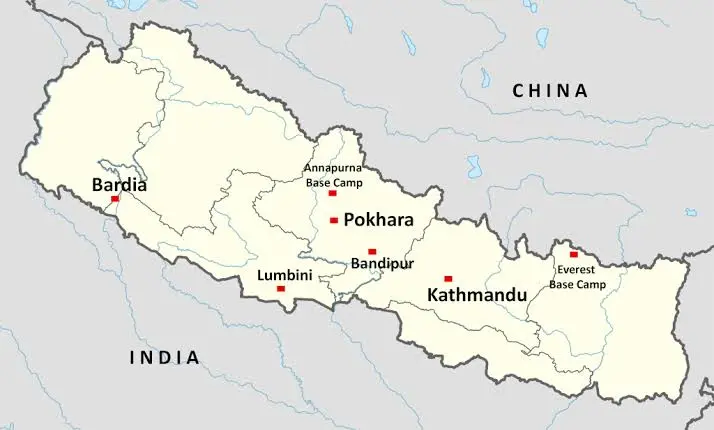
The Langtang Valley Trek is the premier destination for budget-conscious hikers. Located directly north of Kathmandu, you can reach the trailhead via a local bus or shared jeep, completely bypassing the need for expensive domestic flights. The permits are standard (Langtang National Park entry and a TIMS card), avoiding the steep daily fees of restricted zones. Langtang offers a profound emotional and visual experience. The valley was devastated by the 2015 earthquake, and walking through it today is a lesson in human resilience. You will witness dramatic glacial landscapes and traditional Tamang culture without paying the Khumbu premium.
Mardi Himal is another exceptional budget choice. Located in the Annapurna region, this is a relatively short, highly rewarding route that takes you along a forested ridge directly toward the base of Machhapuchhre (Fishtail Peak). Because it can be completed in five to seven days, your daily expenses for food, guides, and accommodation are kept to an absolute minimum.
The Reality Check
Budget trekking means embracing the raw, unfiltered teahouse experience. You will sleep on basic foam mattresses. The walls between rooms are often so thin you can hear your neighbor whispering. Squat toilets are the norm, and hot showers (if they are functioning at all) will cost you extra money out of pocket. You are trading comfort for affordability, but the mountains look exactly the same whether you paid twenty dollars a day or two hundred.
2. For the Luxury Seeker: Comfort Above the Clouds
There is a pervasive myth in the outdoor community that trekking in Nepal requires you to suffer. While the traditional teahouse experience is undeniably rustic, a parallel infrastructure has quietly developed for those who want to experience the grandeur of the high Himalayas without sacrificing a hot shower, a premium mattress, and a warm dining room. If your primary goal is to see the highest mountains on earth but you refuse to sleep in a freezing room with plywood walls, the luxury lodge circuits are your destination.
The Best Routes: Everest Luxury Lodges and Annapurna in Style
The Everest Luxury Lodge Trek utilizes premium accommodations like Yeti Mountain Home and the Everest Summit Lodges. These properties are built using sustainable technologies and offer a level of comfort that is frankly astonishing given the logistics required to maintain them at such extreme altitudes. You can trek up to Namche Bazaar and the surrounding high-altitude villages while enjoying electric blankets, en-suite bathrooms, and exceptional food.
Alternatively, the "Annapurna in Style" circuit offers a lower-elevation journey through the Annapurna foothills. Trekking between properties operated by companies like Ker & Downey, you can walk through pristine Gurung villages during the day and enjoy multi-course meals and cocktails by a roaring fireplace at night.
The Reality Check
Luxury in the Himalayas is relative, but it is highly effective. You will still be walking for five to seven hours a day. You will still feel the burn in your lungs as the trail climbs steeply. However, the recovery process is entirely different. The primary critique of luxury trekking is the cost and the lack of flexibility. You are tethered to the specific locations where these high-end lodges have been built. You trade the spontaneity of traditional trekking for a rigid, heavily curated itinerary.
3. For the True Explorer: Isolation and Off the Beaten Path
The most popular trails in Nepal have become highly commercialized. During the peak seasons of October and April, the main routes to Everest and Annapurna Base Camp can feel like busy highways, complete with traffic jams at suspension bridges and crowded dining halls. If your definition of adventure requires silence, raw wilderness, and a profound sense of isolation, you must look strictly to Nepal's restricted areas.
The Best Routes: Manaslu Circuit, Upper Dolpo, and Kanchenjunga
The Manaslu Circuit is often described as what the Annapurna Circuit used to be thirty years ago. It offers incredible cultural immersion and staggering views of Mount Manaslu, the eighth-highest peak in the world, but sees a fraction of the foot traffic. Thanks to the recent 2026 regulation changes, solo travelers (accompanied by a guide) can now tackle this route without needing to find a group to fulfill the old permit requirements.
For ultimate isolation, Upper Dolpo and Kanchenjunga Base Camp are unmatched. Upper Dolpo is a high Tibetan plateau in the remote west, a barren, windswept landscape that feels entirely disconnected from the modern world. Kanchenjunga, located in the far east, is a demanding three-week journey deep into an untouched wilderness that sees incredibly few foreign visitors.
The Reality Check
True isolation comes with severe logistical and financial hurdles. The Nepalese government designates these regions as "restricted zones" to protect the environment and preserve local culture. This means the permits are expensive—often running over a hundred dollars for the first week alone. Furthermore, the infrastructure in places like Upper Dolpo or Kanchenjunga is minimal to non-existent. You will often need to organize a full camping expedition, complete with porters, tents, and a cook staff. The trails are rugged, the weather is unforgiving, and emergency rescue is heavily delayed. You do not come here for convenience; you come here to step off the map.
4. For the High-Altitude Enthusiast: The Oxygen-Starved Heights
Some trekkers are inherently drawn to the physical and mental challenge of altitude. They want to push past the tree line, enter the stark alpine desert, and sleep in the thin air where the world's giants live. This is about endurance, acclimatization, and standing face-to-face with massive, 8,000-meter peaks.
The Best Routes: Everest Base Camp and Gokyo Lakes
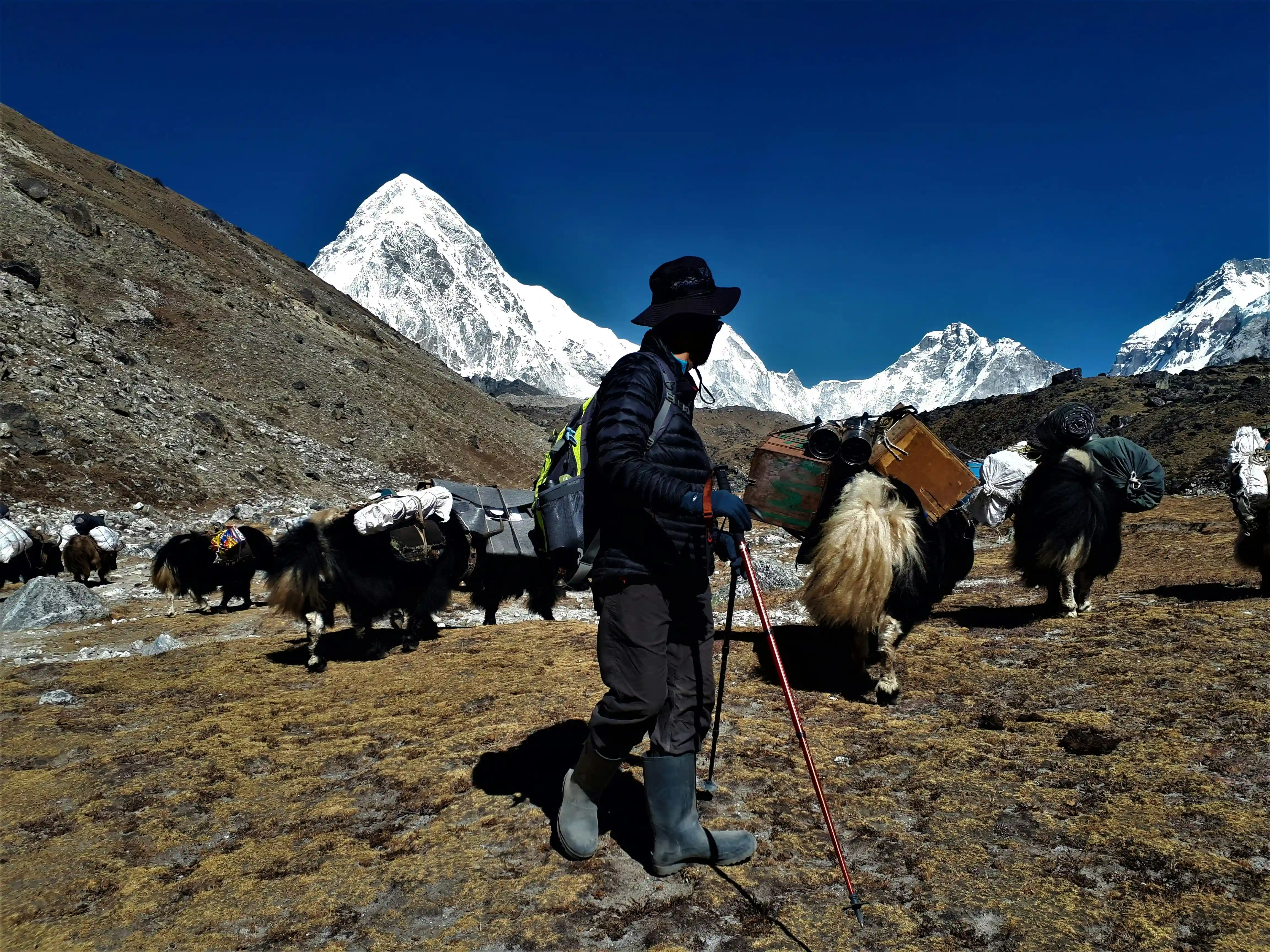
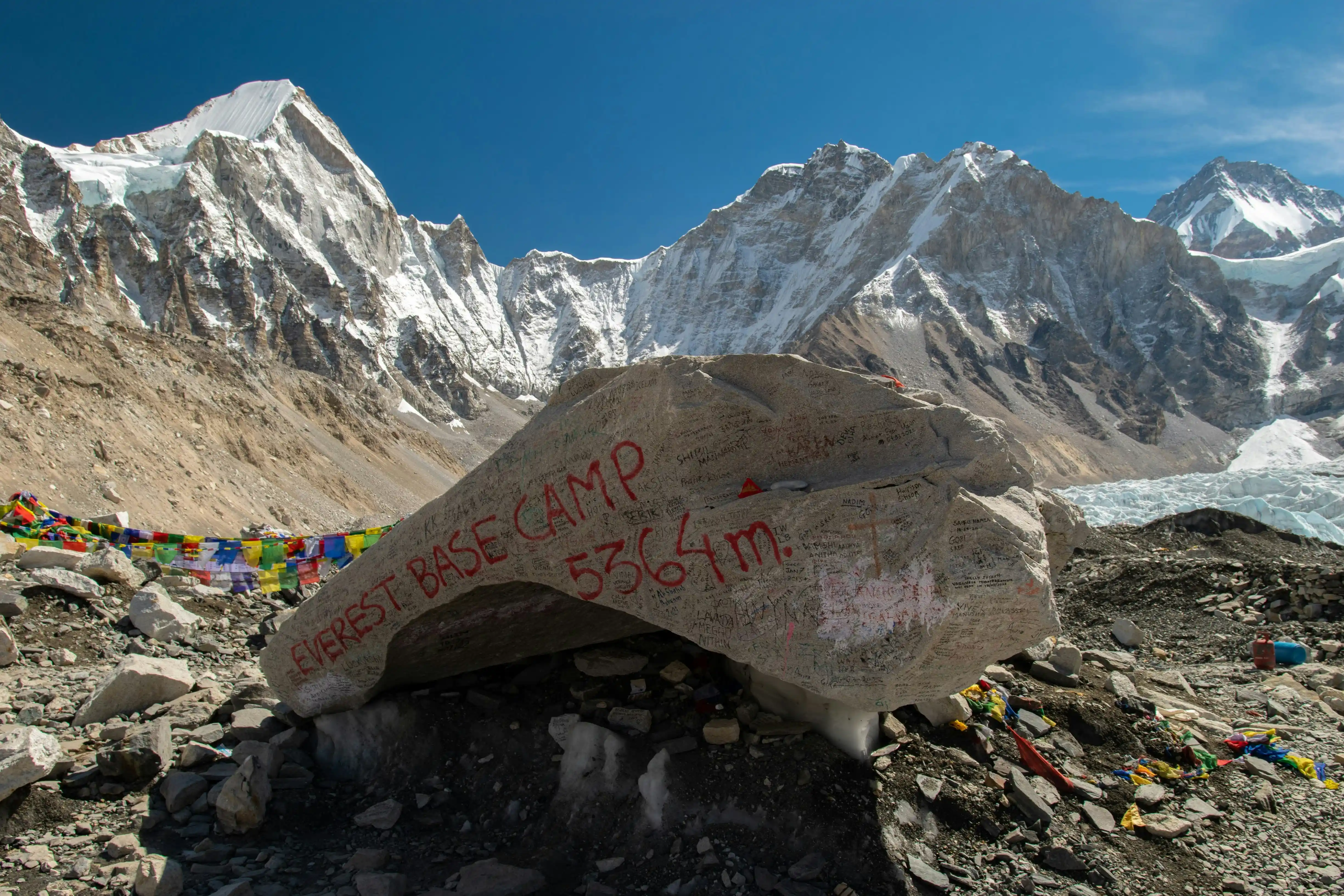
Everest Base Camp (EBC) is the undisputed classic. It takes you to 5,364 meters and offers the most sustained, high-altitude trekking in the world. You walk in the footsteps of mountaineering legends, navigating the Khumbu Valley all the way to the foot of the treacherous Khumbu Icefall.
If you want the altitude without the immense crowds of EBC, the Gokyo Lakes trek is the perfect alternative. Situated in an adjacent valley, this route takes you to a series of pristine, high-altitude turquoise lakes surrounded by glaciers. Climbing Gokyo Ri (5,357 meters) provides a panoramic view of four 8,000-meter peaks: Everest, Lhotse, Makalu, and Cho Oyu.
The Reality Check
Trekking at high altitude is a relentless physiological battle. Above 4,000 meters, your body is operating on a significantly reduced oxygen supply. Every step feels heavier, sleep becomes difficult and fragmented, and the cold is absolute and penetrating. The Everest Base Camp trek is a phenomenal achievement, but it requires strict discipline regarding acclimatization. You must ascend slowly, hydrate aggressively, and listen to your guide. Acute Mountain Sickness (AMS) is a very real threat here. Furthermore, expect a highly commercialized trail—you will share the path with hundreds of other trekkers and trains of yaks carrying supplies. You do this trek for the sheer scale of the mountains, not to find yourself in quiet solitude.
5. For the Low-Altitude Cruiser: Maximum Views, Minimum Risk
Not everyone wants to subject their body to the rigors of hypoxia. If you are traveling with children, if you have pre-existing health conditions, if you are an older trekker, or if you simply prefer a holiday that does not involve gasping for air, Nepal offers stunning lower-elevation routes. You can experience the local culture, the terraced farmland, and the panoramic views without ever crossing the dangerous 4,000-meter threshold.
The Best Routes: Ghorepani Poon Hill and the Helambu Circuit
The Ghorepani Poon Hill Trek is famous for a very good reason. It is a beautiful four-to-five-day loop in the Annapurna region with a maximum sleeping elevation of just 2,860 meters. You walk through ancient rhododendron forests and vibrant multi-ethnic villages. The climax of the trek is an early morning hike to the Poon Hill viewpoint to watch the sunrise illuminate the entire Annapurna and Dhaulagiri mountain ranges.
The Helambu Circuit is another excellent, gentle option. Located near Kathmandu, it is a culturally rich trek through Sherpa and Tamang villages that rarely exceeds 3,500 meters, making it incredibly safe regarding altitude sickness while still delivering beautiful Himalayan vistas.
The Reality Check
Because routes like Poon Hill are accessible, safe, and short, they are exceptionally crowded. You will rarely have the trail to yourself. Additionally, these trails are heavily paved with thousands of steep stone stairs, which will severely test the endurance of your knees and calves on the descents. You are looking at the great mountains from a distance rather than standing among their glaciers, but the panorama is undeniably world-class.
5. For the Technical Challenger: The High Passes
A standard base camp trek generally goes up a valley and comes back down the same way. A high pass trek, however, crosses the jagged, glaciated ridges that separate those valleys. This is the domain of the fit, the experienced, and the stubborn. Crossing a 5,000-meter mountain pass is a badge of honor, requiring immense stamina, weather luck, and serious grit.
The Best Routes: The Everest Three Passes and the Annapurna Circuit
The Everest Three Passes Trek is the ultimate Khumbu endurance test. Instead of just walking up to Base Camp, you cross three formidable passes: Kongma La (5,535m), Cho La (5,420m), and Renjo La (5,360m). It is a grueling three-week circuit that shows you every possible angle of the Everest region.
The Annapurna Circuit is the classic pass trek, traditionally taking you all the way around the Annapurna massif and culminating in the crossing of Thorong La Pass at 5,416 meters. It links the lush, green Manang valley to the arid, Tibetan-like Mustang desert.
The Reality Check
High passes are physically punishing and potentially dangerous if you are unprepared. The ascent of Thorong La, for instance, begins long before dawn in sub-zero temperatures. The trail is a relentless, steep grind up scree and snow in air that contains roughly half the oxygen found at sea level. The Three Passes trek often requires navigating active glaciers and massive, shifting moraines. These routes are frequently blocked by heavy snowfall and require a high degree of physical fitness, proper layering, and an understanding of mountain weather. The reward, however, is absolute. Reaching the summit of a high pass, strung with prayer flags whipping in the freezing wind, provides a vantage point that standard valley treks simply cannot match.
The Verdict
The mountains do not care about your ambitions. They demand respect, careful preparation, and a clear, objective understanding of your own limits.
Do not choose a trek simply because the photos look good on social media, or because a coworker did it five years ago. If you demand a hot shower at the end of the day, book a luxury lodge trek and enjoy the comfort. If you want to test your breaking point, commit to the Three Passes. If you have limited time and a tight budget, take the local bus to Langtang.
The single best trekking destination in Nepal is the one that directly aligns with your physical reality, your financial budget, and your actual desires. Once you figure out exactly what kind of trekker you are, the Himalayas will provide exactly the trail you need.
Tours that match this guide
If you would rather have this arranged for you, these are the trips this guide is about.
 Best Seller
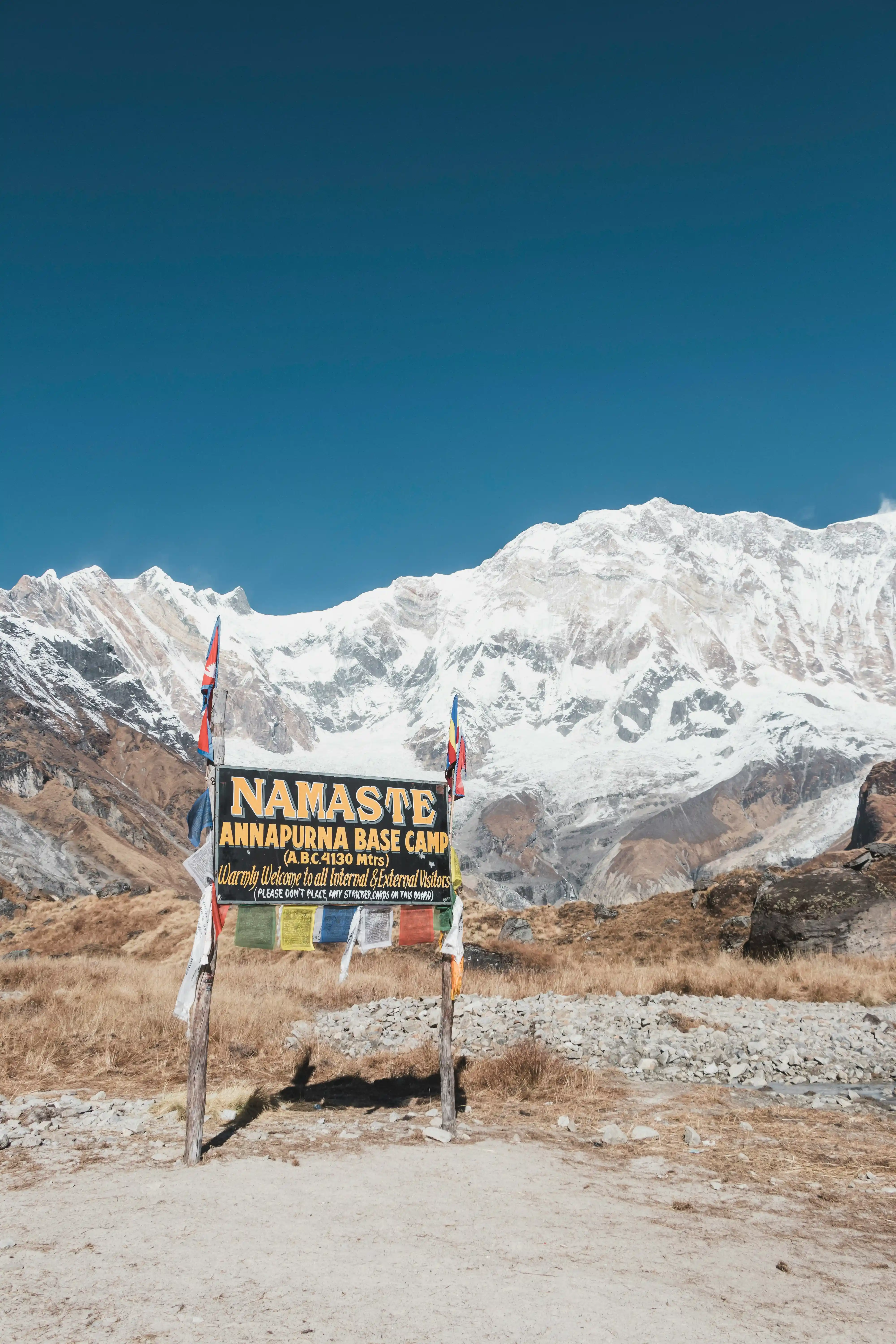
Annapurna Base Camp (ABC) Trek
 Best Seller
Everest Base Camp Trek
 Best Seller
Rara Lake Tour
Planning a trip to Nepal?
Browse our curated tours — hand-picked by locals and designed for comfort.
Explore Tours