Everything You Need to Know About Pokhara
Geographic Location of pokhara
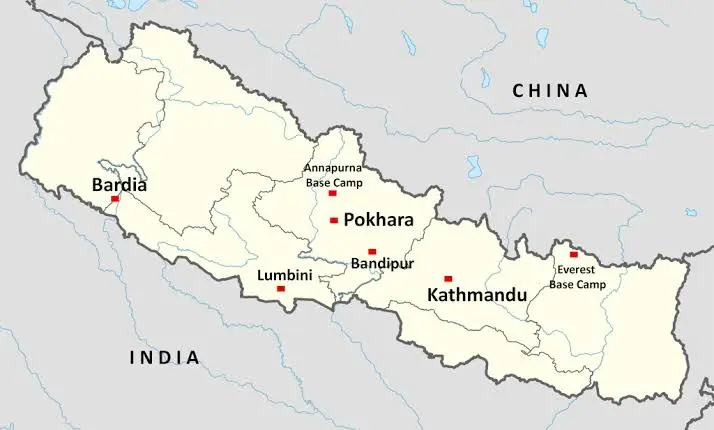
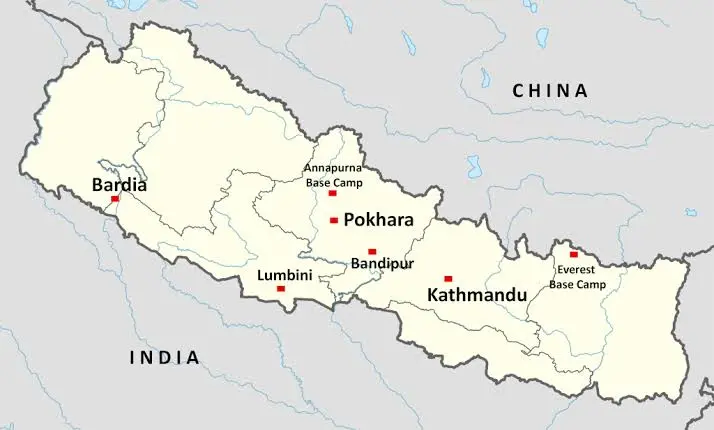
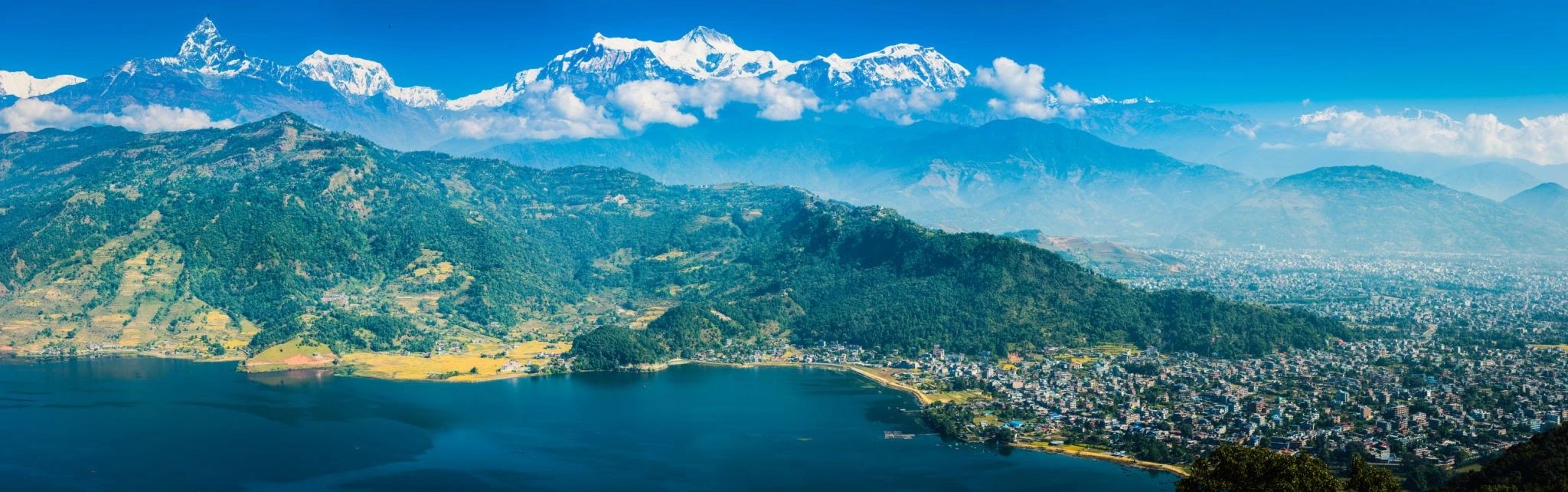
Pokhara is located in central Nepal, approximately 200 kilometers (124 miles) west of the capital city, Kathmandu. Set in a verdant valley at an altitude of roughly 822 meters (2,696 feet) above sea level, it sits directly beside the calm waters of Phewa Lake. The city is famous for its uninterrupted, close-up views of the Annapurna mountain range, particularly the iconic, jagged peak of Mount Machhapuchhre (Fishtail).
Climate of Pokhara
The climate in Pokhara is subtropical, yet it experiences a wide range of weather conditions throughout the year due to its proximity to the Himalayas.
Winter (December–February): Cool and dry, with daytime temperatures hovering comfortably around 19°C to 22°C (67°F to 72°F). It rarely gets freezing at the valley level, but the mornings and evenings can be quite chilly.
Spring (March–May): The weather warms up significantly, with daytime highs reaching up to 30°C (86°F). The hills surrounding the valley bloom with colorful rhododendrons, though the air can sometimes carry pre-monsoon haze.
Monsoon (June–September): Pokhara receives some of the highest rainfall in Nepal. Heavy downpours are a daily occurrence, making trekking trails muddy and mountain views exceptionally rare.
Autumn (October–November): Crisp, clear air follows the monsoon rains, offering the most stable weather and the sharpest mountain views of the year.
Best Time to Visit Pokhara
The absolute best time to visit Pokhara is during the post-monsoon autumn months of October and November. During this peak season, the skies are glassy and free of haze, daytime temperatures are a pleasant 24°C to 27°C (75°F to 80°F), and visibility for the mountains is at its finest. This window is ideal for trekking, sightseeing, and photography.
If you prefer fewer crowds and do not mind a bit of morning chill, late February through April is also an excellent time to visit. You should generally avoid the monsoon season (July and August) unless you are comfortable with heavy daily rainfall and are traveling strictly on a budget.
Things To See in Pokhara
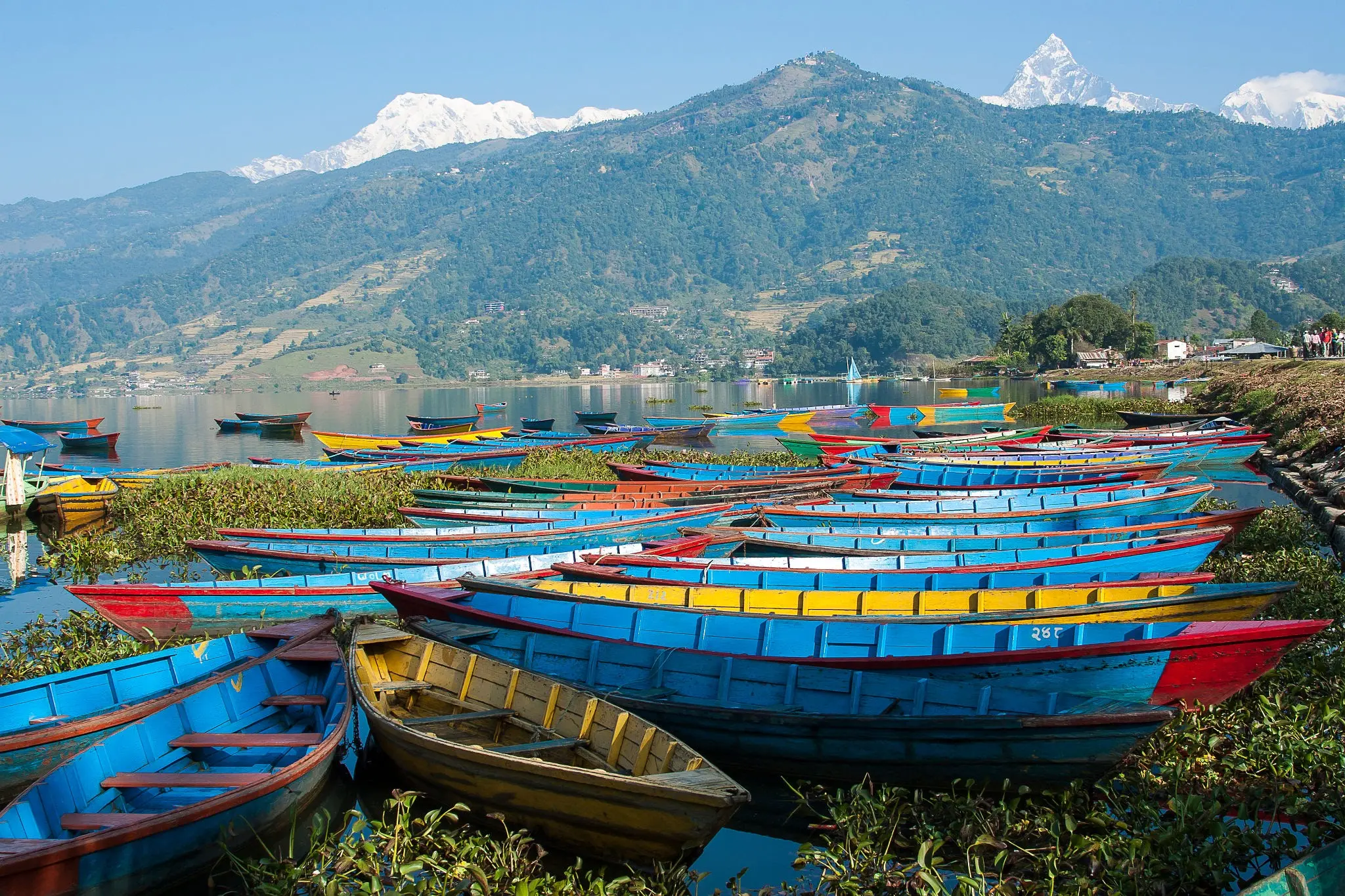
Pokhara is packed with natural and cultural landmarks that require minimal physical exertion to enjoy.
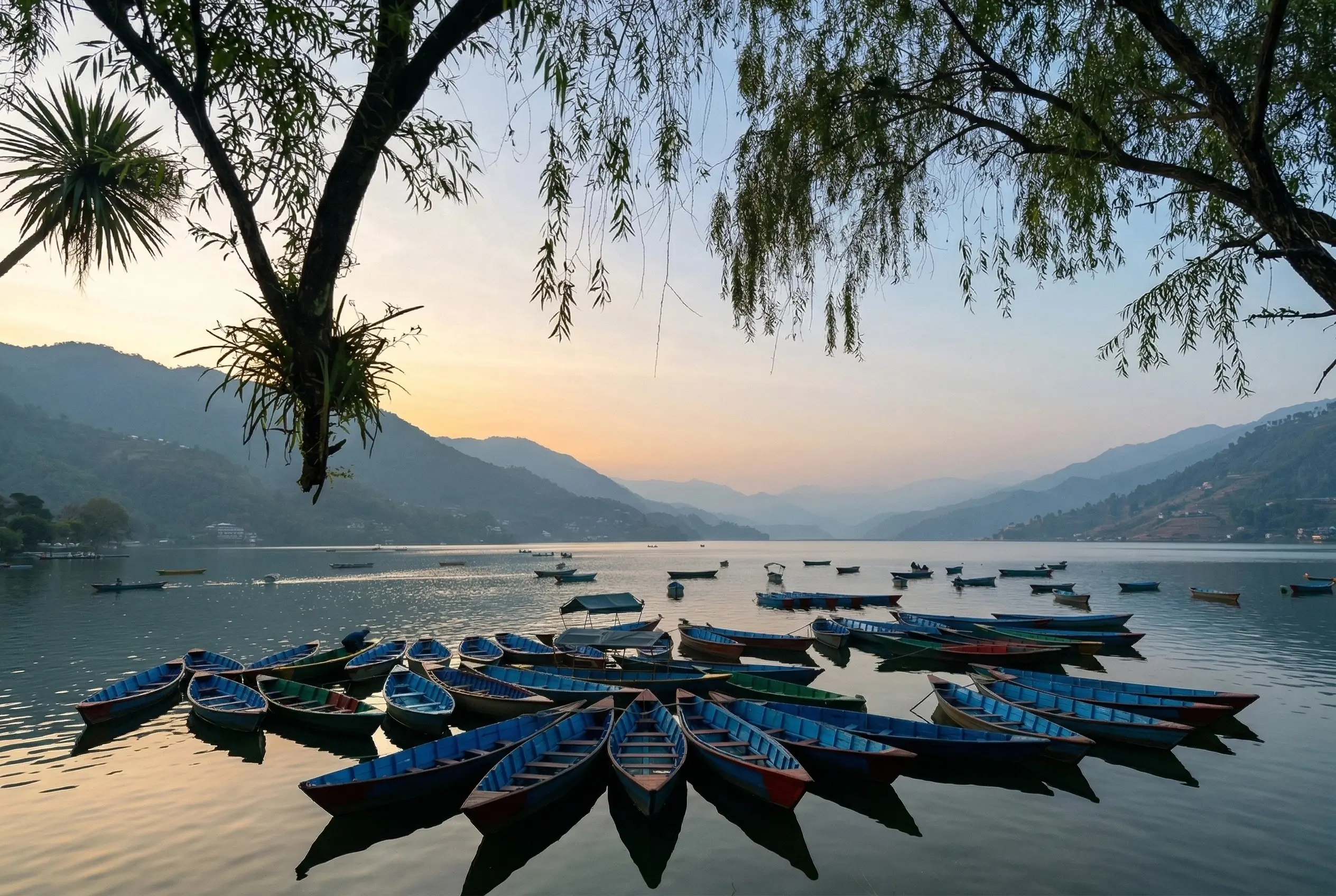
Phewa Lake: The second-largest lake in Nepal. Taking a brightly colored wooden boat out on the water offers incredible reflections of the Annapurna peaks on clear days.
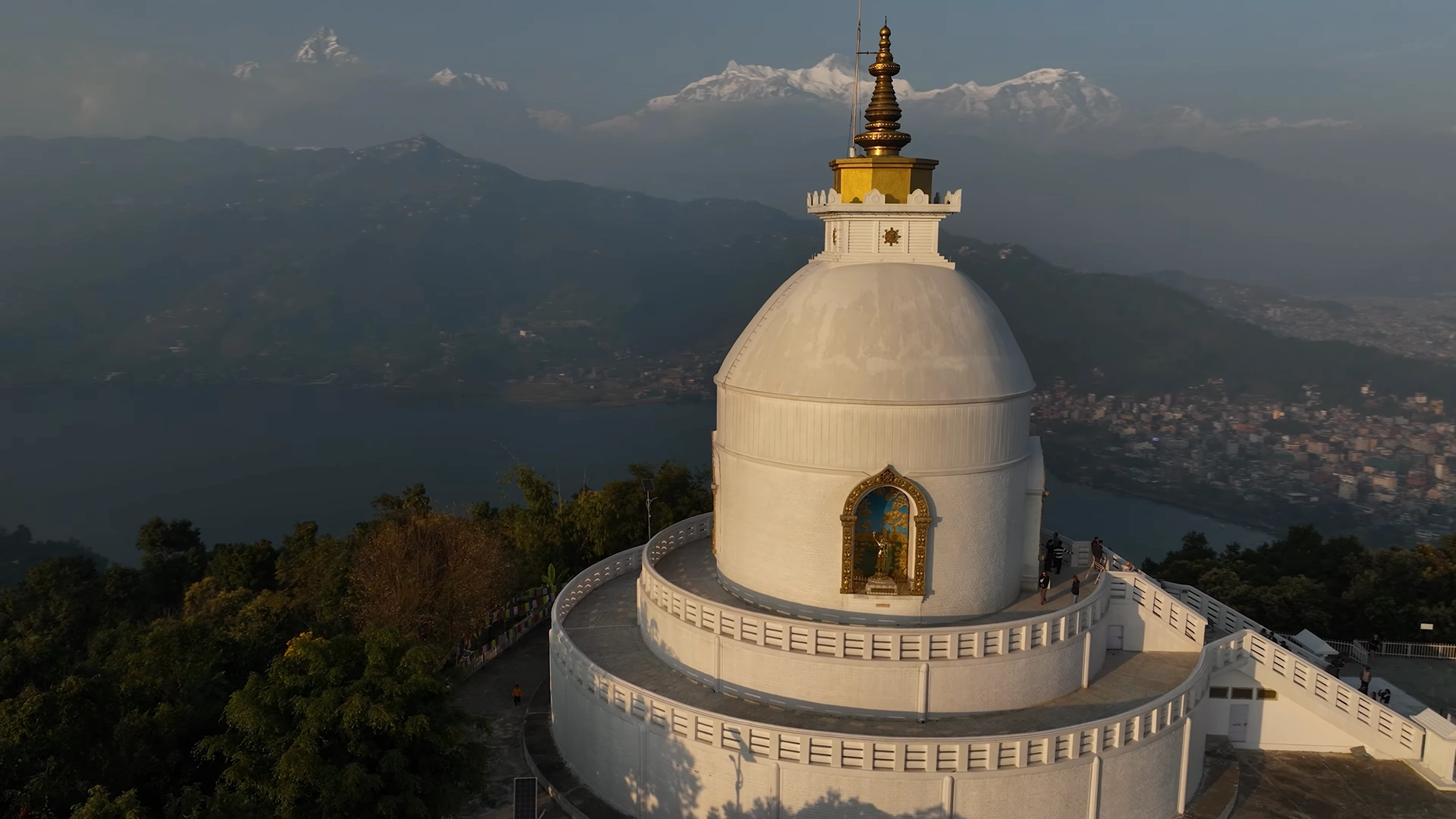
World Peace Pagoda (Shanti Stupa): Located on Anadu Hill overlooking Phewa Lake, this bright white Buddhist stupa provides what many consider the best vantage point for seeing the lake and mountains in a single frame.
Sarangkot: A hilltop village just outside the city that is famous for its panoramic sunrise views over the Dhaulagiri and Annapurna mountain ranges.
Davis Falls and Gupteshwor Cave: A unique waterfall that plunges directly into a subterranean cavern, which houses a revered underground shrine.
Things To Do in Pokhara
Whether you want to relax or seek an adrenaline rush, Pokhara has options for every travel style.
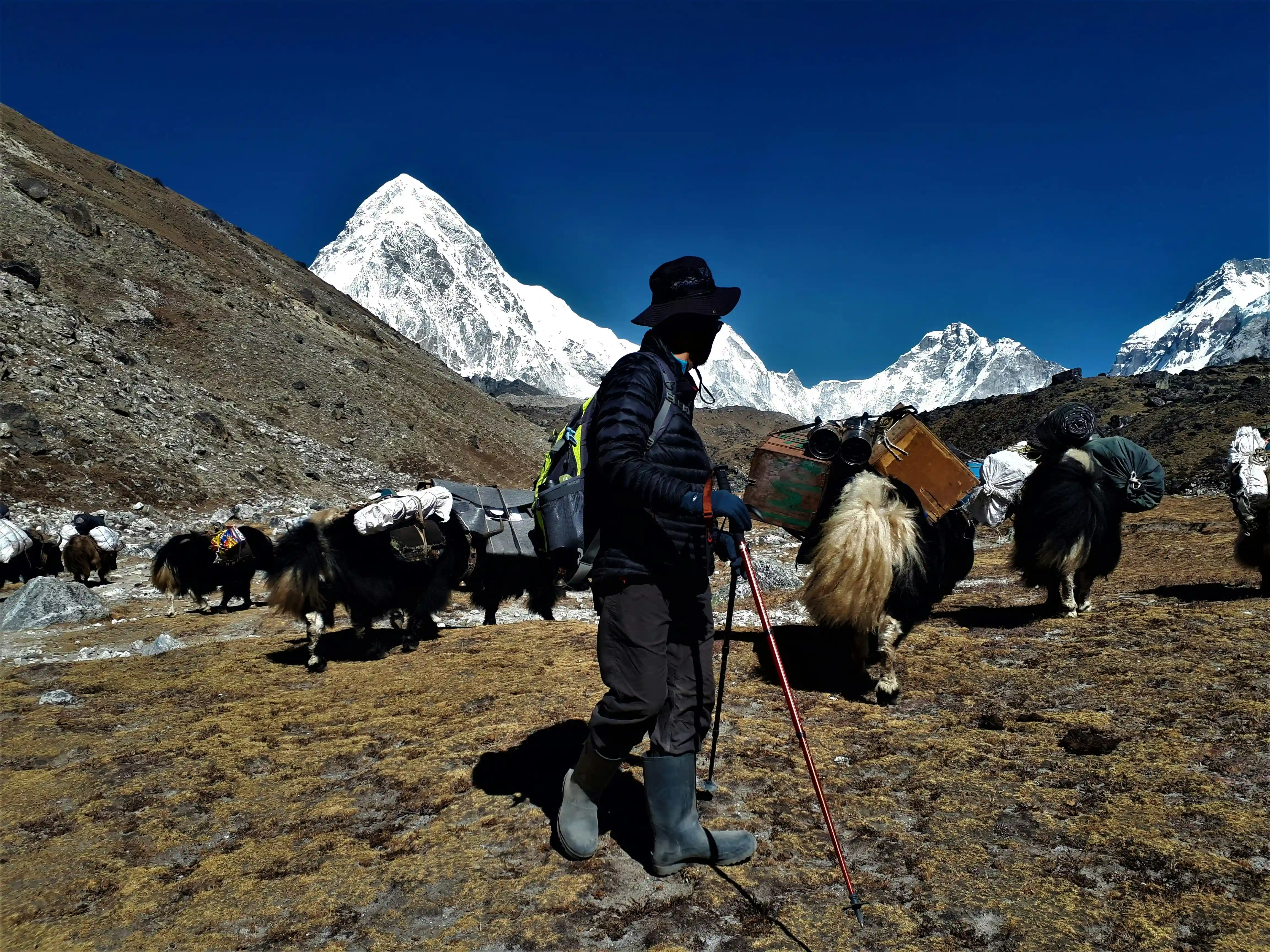
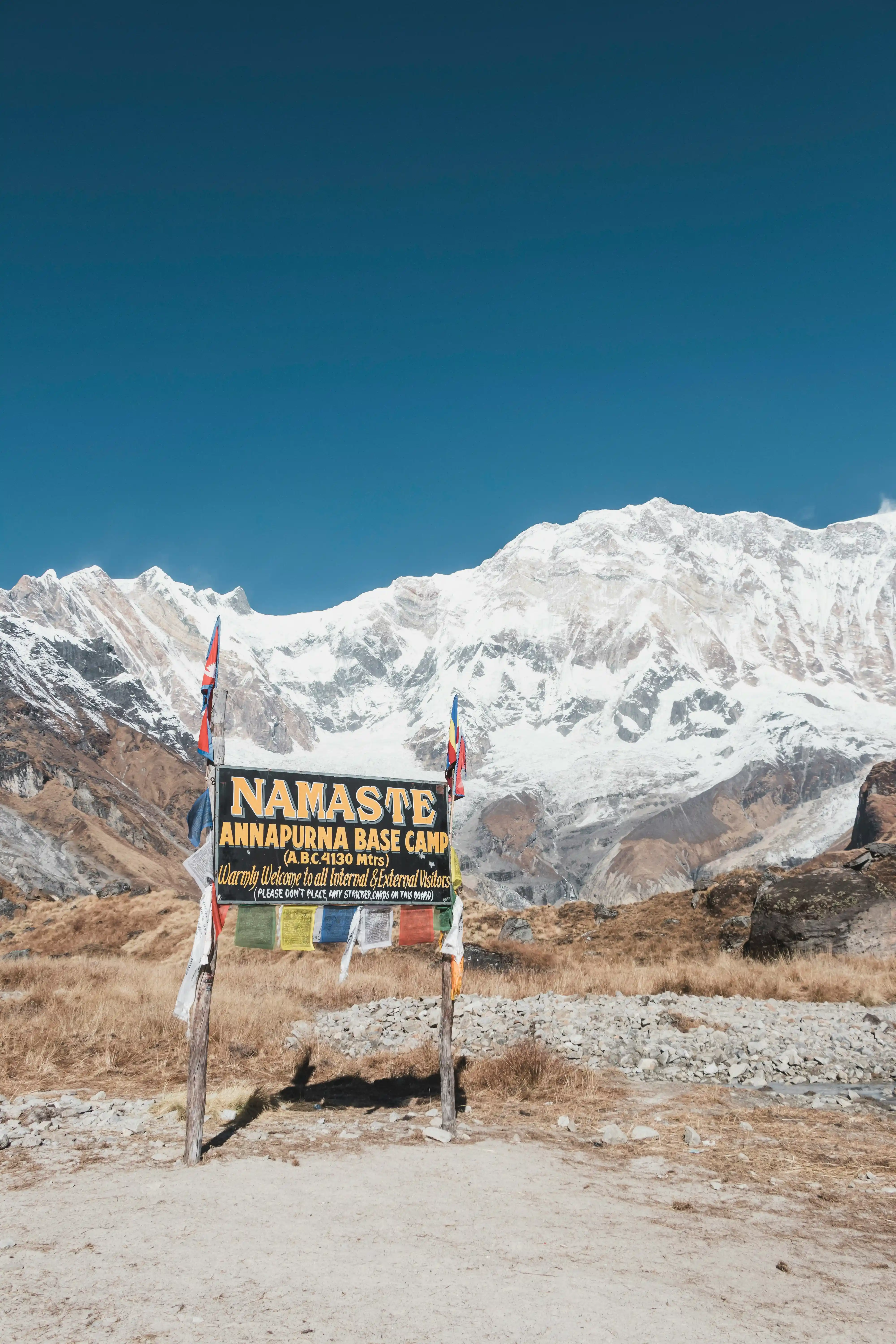
Trekking: Pokhara is the starting point for world-class treks. You can choose from short 3-day hikes to Mardi Himal, classic sunrise treks to Ghorepani Poon Hill, or multi-week expeditions to Annapurna Base Camp (ABC).
Paragliding: Launching from Sarangkot, this is one of the top commercial paragliding spots in the world, allowing you to soar beside eagles with the Himalayas as your backdrop.
Boating and Lakeside Strolls: Rent a paddleboat on Phewa Lake, or simply walk the pedestrian-friendly paths of the Lakeside district, browsing local shops and stopping at lakeside cafes.
Yoga and Meditation: The peaceful environment has made the city a hub for wellness retreats, yoga schools, and meditation centers.
Facts About Pokhara
Pokhara is widely recognized and officially referred to as the "Tourism Capital of Nepal".
Despite its extreme proximity to massive snow-capped peaks, the valley floor never sees snow.
The city sits much lower in altitude (822 meters) than Kathmandu (1,400 meters), meaning the air is thicker and altitude sickness is not a concern while staying in the city itself.
It serves as the primary gateway for the Annapurna Conservation Area, which is Nepal's largest protected nature area.
Availability of Different Cuisines and Accommodation Facilities
Pokhara is exceptionally well-equipped for travelers of all budgets, with the vast majority of tourist infrastructure clustered around the eastern shore of Phewa Lake, known simply as "Lakeside."
Accommodation: You will find everything from budget-friendly backpacker hostels in the Lakeside area to luxury eco-resorts and boutique hotels tucked away in the surrounding hills. Lakeside is highly convenient as it places you within walking distance of ATMs, tour operators, and restaurants.
Cuisines: The culinary scene is incredibly diverse. While you can always find excellent local Nepali dishes—like Dal Bhat (lentil soup, rice, and curries) and momos (dumplings)—the city caters heavily to international tastes. You can easily find authentic Italian pizza, vegan and organic cafes, Middle Eastern fare, French bakeries, and reliable Continental breakfasts.
Accessibility
Reaching Pokhara has changed significantly in recent years due to major infrastructure updates, making it more accessible than ever.
Getting There:
By Air: The most efficient way to arrive is flying. A domestic flight from Kathmandu takes just 25 to 30 minutes and offers spectacular mountain views from the right side of the aircraft. Flights land at the modern Pokhara International Airport (PRIA), which opened in early 2023. In 2026, the airport has also begun securing direct international connections—such as daily flights from Dubai—making it increasingly possible to bypass Kathmandu altogether when entering the country.
By Road: Driving from Kathmandu covers roughly 200 kilometers via the Prithvi Highway. While traditionally known as a 6-hour drive, ongoing highway expansion projects in 2026 mean the journey can realistically take anywhere from 7 to 9 hours. Luxury tourist buses (which feature air suspension and VIP sofa seating) are the most popular and comfortable road option, while hiring a private car offers more schedule flexibility.
Getting Around:
Once you are in Pokhara, the main Lakeside area is highly walkable. For traveling to viewpoints like Sarangkot or the Peace Pagoda, local taxis are readily available and affordable. You can also rent bicycles or scooters for a few dollars a day to explore the surrounding valley and local villages at your own pace.
Tours that match this guide
If you would rather have this arranged for you, these are the trips this guide is about.
 Best Seller
Annapurna Base Camp (ABC) Trek
 Best Seller
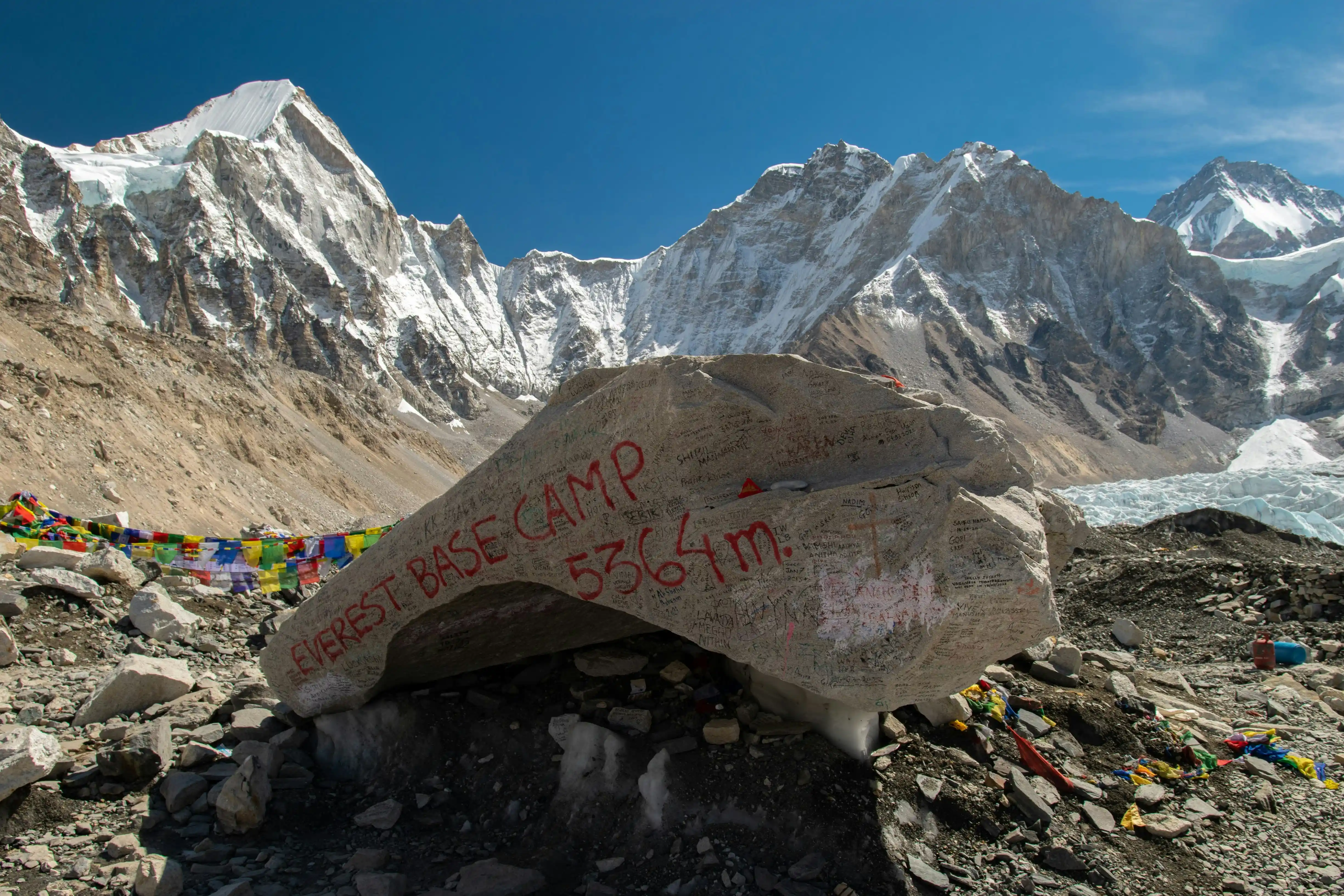
Everest Base Camp Trek
 Best Seller
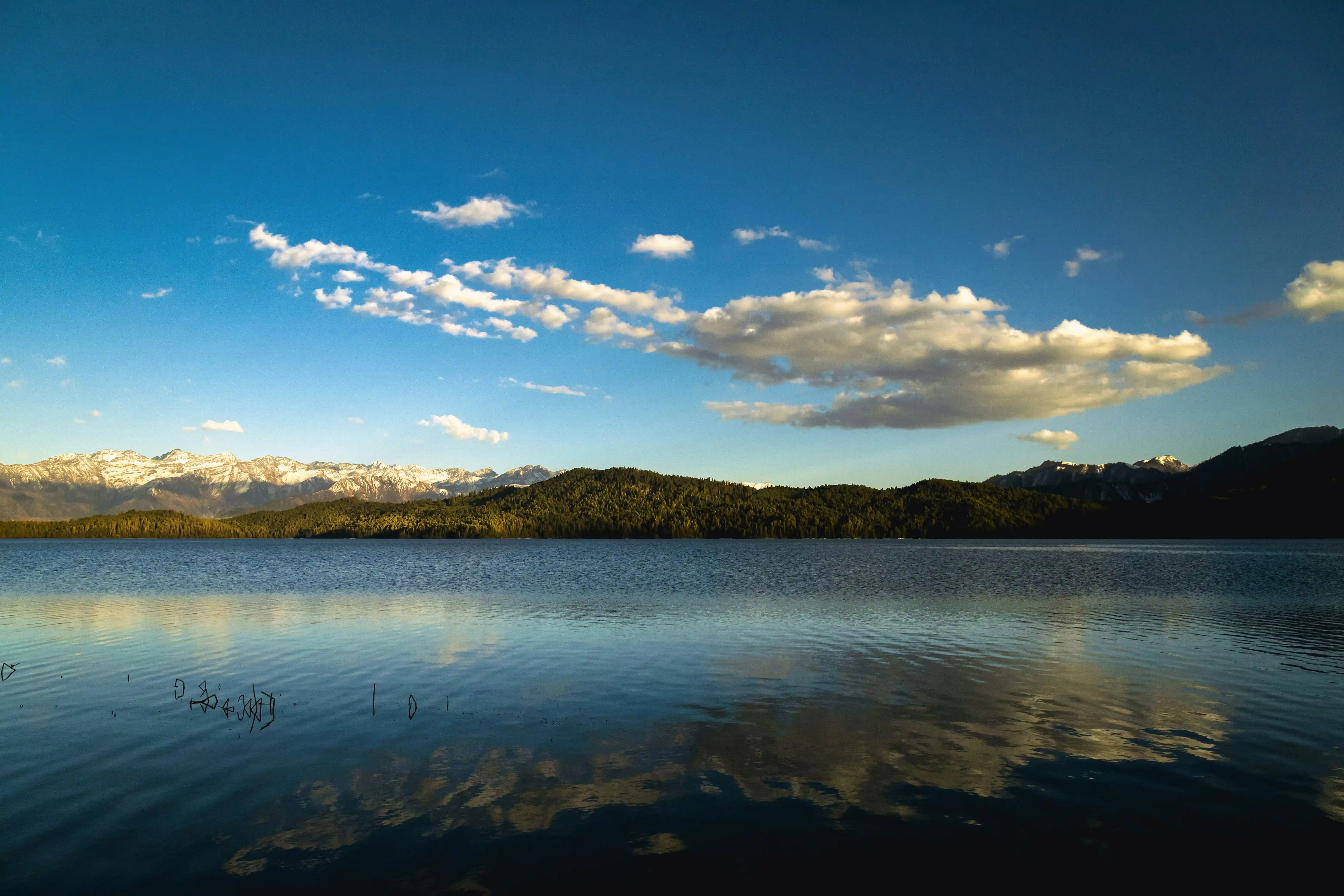
Rara Lake Tour
Planning a trip to Nepal?
Browse our curated tours — hand-picked by locals and designed for comfort.
Explore Tours