5 Best Unique Places to Visit in Vietnam
Traveling to Vietnam offers an extraordinary blend of rich culture, world-class cuisine, and astonishing natural landscapes. However, as international tourism continues to grow rapidly, navigating the country's highlights requires thoughtful planning.
This guide explores five remarkable alternatives to Vietnam’s most crowded destinations. It provides a detailed look at why you should step off the standard tourist trail, what logistics are involved, and how these hidden gems deliver an uncompromised experience.
1. The Allure of Vietnam’s Popular Spots
When planning an itinerary for Vietnam, a few famous locations naturally dominate the recommendations. These destinations earned their global reputation due to their stunning geography and historical significance:
Ha Long Bay: A UNESCO World Heritage Site famous for thousands of towering limestone karsts erupting from emerald waters, explored primarily via overnight junk boat cruises.
Sapa: A iconic mountain town near the Chinese border, renowned for its dramatic cascading rice terraces and vibrant ethnic minority hill-tribe cultures.
Hoi An: A picturesque ancient town in central Vietnam, decorated with yellow French-colonial architecture, historic wooden bridges, and lantern-lit riverfront streets.
Phu Quoc: An island getaway in the far south, featuring luxury resorts, long white-sand beaches, and accessible international transport.
Nha Trang: A bustling coastal hub known for sweeping city beaches, offshore scuba diving, and an energetic nightlife scene.
While these locations remain visually impressive, their popularity has fundamentally shifted the day-to-day traveler experience. Modern infrastructure supports millions of visitors annually, making them easy to visit but significantly more commercialized and crowded.
2. Why Choose the Path Less Traveled?
Visiting famous landmarks often means sharing the experience with hundreds of tour buses and thousands of fellow travelers simultaneously. Choosing off-the-beaten-path alternatives offers clear advantages:
Escape the Crowds and Noise
In Ha Long Bay, hundreds of cruise ships operate along identical routes, creating water traffic jams, diesel exhaust fumes, and noisy anchorages. In contrast, alternative bays strictly limit boat permits, preserving pristine views and peaceful nights under the stars.
Avoid Heavy Commercialization
In popular hubs like Sapa, rapid hotel construction has obscured valley vistas, while persistent street vendors follow trekkers through rural paths. Off-the-beaten-path destinations maintain authentic community life without commercial pressure or aggressive sales tactics.
Support Local Eco-Tourism
By venturing beyond established resort corridors, your travel expenditure directly supports small rural communities, local family-run homestays, and regional conservation efforts rather than large multinational resort corporations.
3. Logistics and Costs: Unique vs. Popular Destinations
A common misconception is that visiting remote destinations in Vietnam is excessively expensive or difficult to arrange. While these unique locations require a bit more transit time, they remain accessible for standard travelers.
Cost Breakdown: Unique vs. Popular
When comparing costs, popular destinations like Ha Long Bay and Sapa offer a highly flexible budget range. The intense competition in these areas creates exceptionally cheap options for backpackers, though luxury accommodations often carry steep markups, and you will frequently pay for commercialized tour packages and entry fees. In contrast, unique locations like Bai Tu Long Bay and Pu Luong present a more moderate and predictable budget impact. These areas are dominated by authentic eco-lodges and family-run homestays that maintain fair, flat pricing. While the upfront transport costs to reach these off-the-beaten-path areas are usually higher, your daily expenses will drop significantly because your activities largely consist of low-cost or entirely free natural exploration, such as trekking and swimming.
Cruises: Budget cruises in Ha Long Bay are inexpensive due to extreme competition. In contrast, cruises in regulated areas like Bai Tu Long Bay focus on mid-range to luxury vessels, ranging from $150 to $400 per person for multi-day trips.
Inland Stays: Accommodations in quiet reserves like Pu Luong or Phong Nha cost between $15 and $50 per night for comfortable, family-run lodges—far more affordable than mid-range hotel chains in heavily developed cities.
Travel Difficulty and Transit
Reaching less-visited regions requires patience rather than complex skills. Standard transport options are straightforward:
Ban Gioc Waterfalls: Located 7 to 8 hours north of Hanoi. Requires a private driver, a rental car, or a direct sleeper bus from Hanoi to Cao Bang.
Phong Nha - Ke Bang: Accessible via a 1-hour domestic flight or a 10-hour sleeper train from Hanoi to Dong Hoi, followed by a 45-minute car transfer.
Pu Luong Nature Reserve: Located 4 to 5 hours southwest of Hanoi. Easily reached via direct private minivans or shared shuttles costing $15 to $20 per seat.
Côn Đảo Archipelago: Requires a short 45-minute domestic flight from Ho Chi Minh City or a 2.5-hour high-speed ferry from Vung Tau.
4. The 5 Best Unique Places to Visit in Vietnam
If you are willing to invest a little extra transit time, these five destinations offer uncrowded, pristine, and world-class landscapes.
1. Bai Tu Long Bay
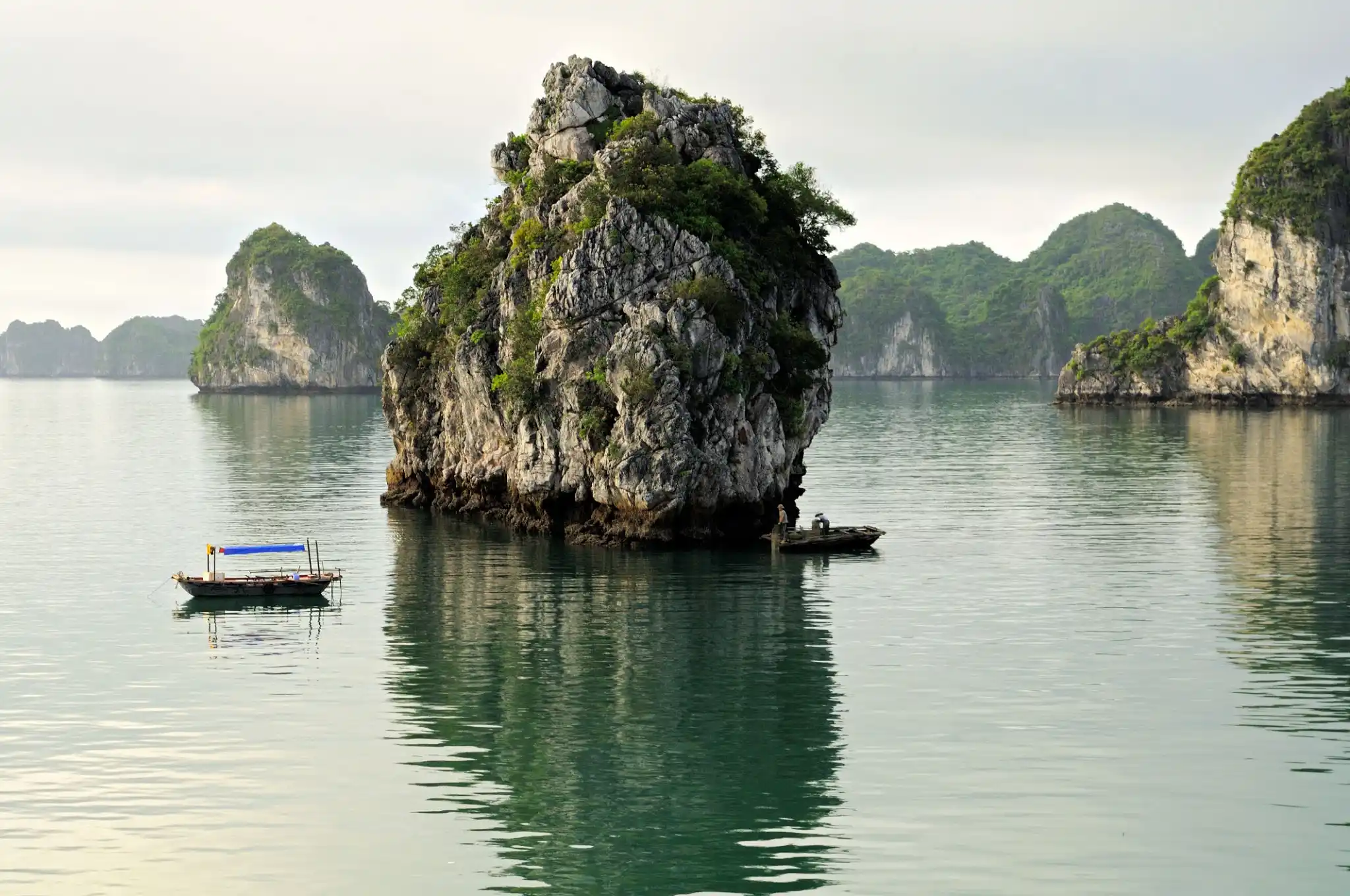
Located directly northeast of Ha Long Bay, Bai Tu Long Bay shares the exact same geological formation, emerald waters, and soaring limestone karsts. However, strict government limits on tour permits keep tourist traffic down to roughly 2% to 5% of Ha Long Bay's volume.
Key Highlights: Pristine limestone sea caves, secluded white-sand beaches, and undisturbed floating fishing villages.
Why It’s Unique: Enjoy completely peaceful night anchorages with virtually no noise or light pollution from surrounding boats.
The Trade-off: Cruise options are fewer and cost slightly more than budget Ha Long options, but the tranquility is unmatched.
2. Phong Nha - Ke Bang National Park
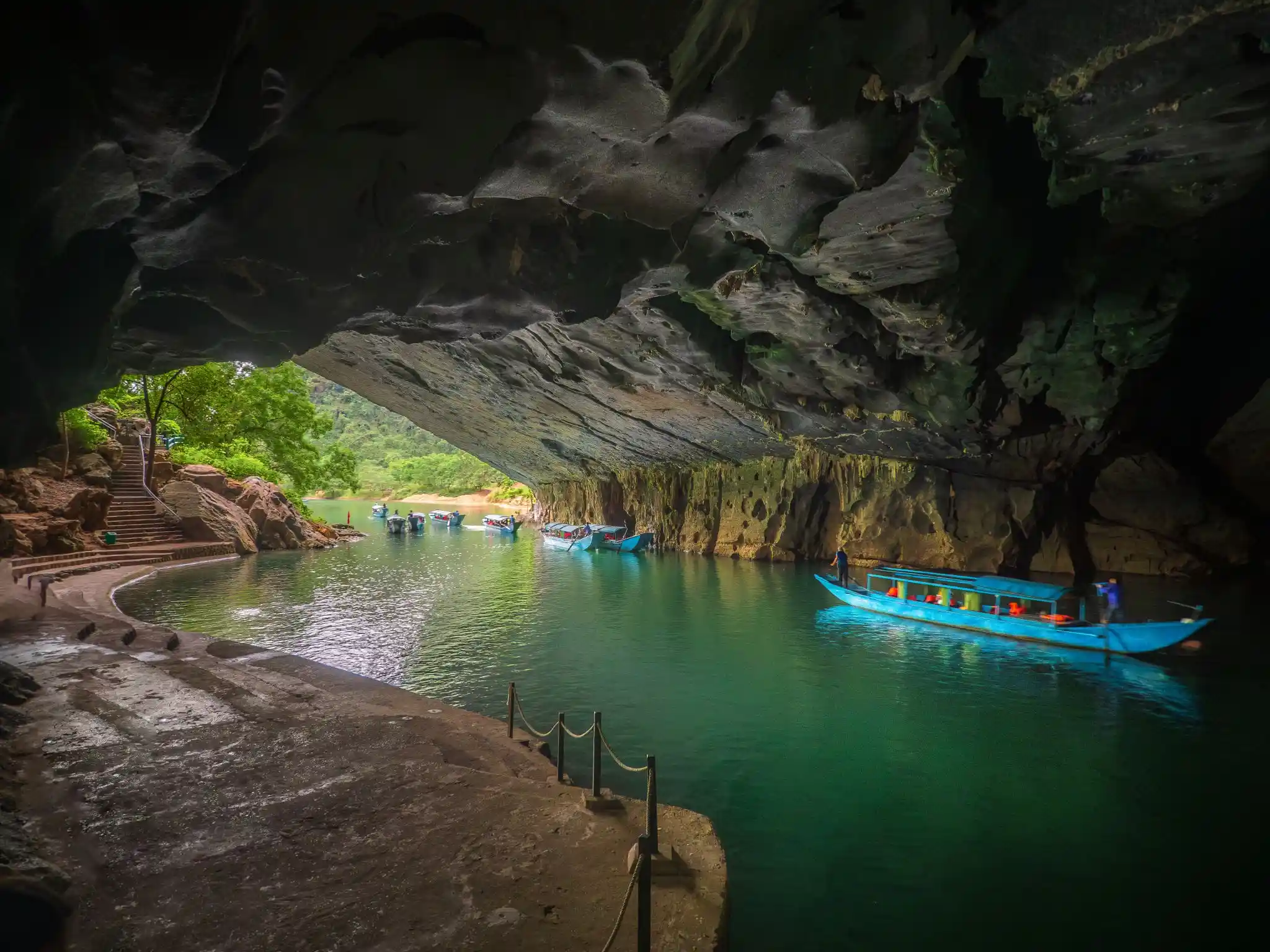
A UNESCO World Heritage Site in central Vietnam, Phong Nha - Ke Bang is known as the cave capital of the world. Home to ancient karst mountains dating back 400 million years and sprawling subterranean rivers, it remains remarkably quiet because large tour buses rarely stay overnight in the area.
Key Highlights: Paradise Cave, Dark Cave (featuring natural mud baths and ziplining), and multi-day jungle trekking into the Tu Lan cave systems.
Why It’s Unique: Grants access to some of the largest cave caverns on Earth, surrounded by untouched primary rainforest.
The Trade-off: Requires a flight or train ride to Dong Hoi followed by a road transfer, which naturally filters out casual day-tripper crowds.
3. Pu Luong Nature Reserve
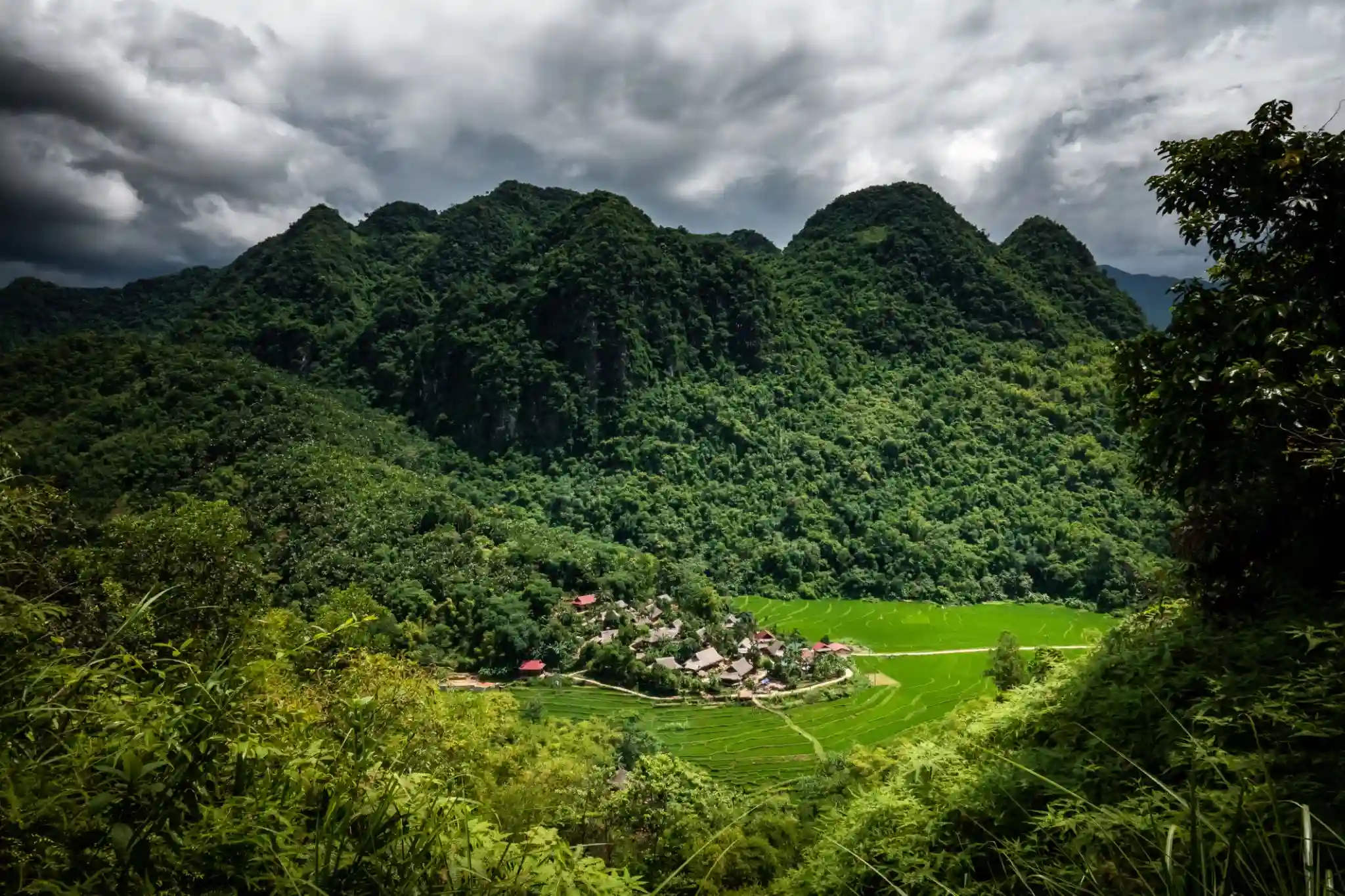
Situated just 4 hours southwest of Hanoi, Pu Luong remains an unspoiled sanctuary of dramatic cascading rice terraces, traditional Thai ethnic stilt-house villages, and ancient bamboo waterwheels lining the riverbanks.
Key Highlights: Trekking through quiet terraced valleys, staying in eco-friendly wooden bungalows, and cooling off in natural waterfalls.
Why It’s Unique: Offers an authentic rural mountain atmosphere with zero commercial pressure or pushy street hawkers.
The Trade-off: Public transit is limited, making pre-booked private shuttles or motorbike transfers from Hanoi the preferred travel method.
4. Ban Gioc Waterfalls (Cao Bang)
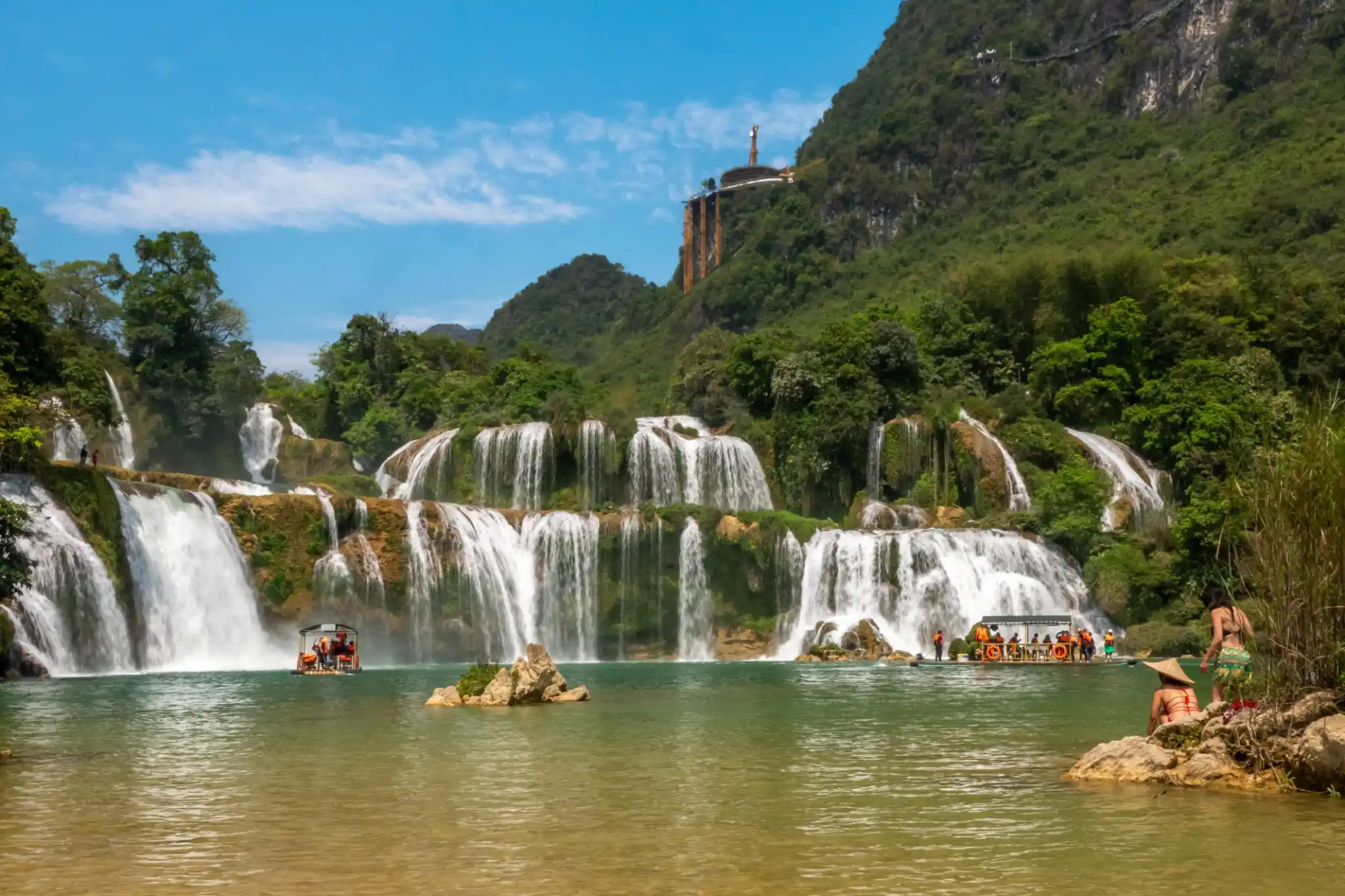
Positioned directly on the international border between Vietnam and China, Ban Gioc is one of Southeast Asia’s largest and most breathtaking waterfalls. Spanning over 300 meters across tiered limestone cliffs, the cascades are framed by lush bamboo groves and green rice paddies.
Key Highlights: Bamboo raft trips directly to the misty base of the falls, the nearby Ngườm Ngao limestone cave, and panoramic views from Truc Lam Zen Monastery.
Why It’s Unique: A massive, powerful natural border feature surrounded by quiet countryside rather than commercialized souvenir complexes.
The Trade-off: The 7- to 8-hour drive north from Hanoi deters travelers looking for quick trips, making it best suited for a dedicated multi-day northern loop.
5. Côn Đảo Archipelago
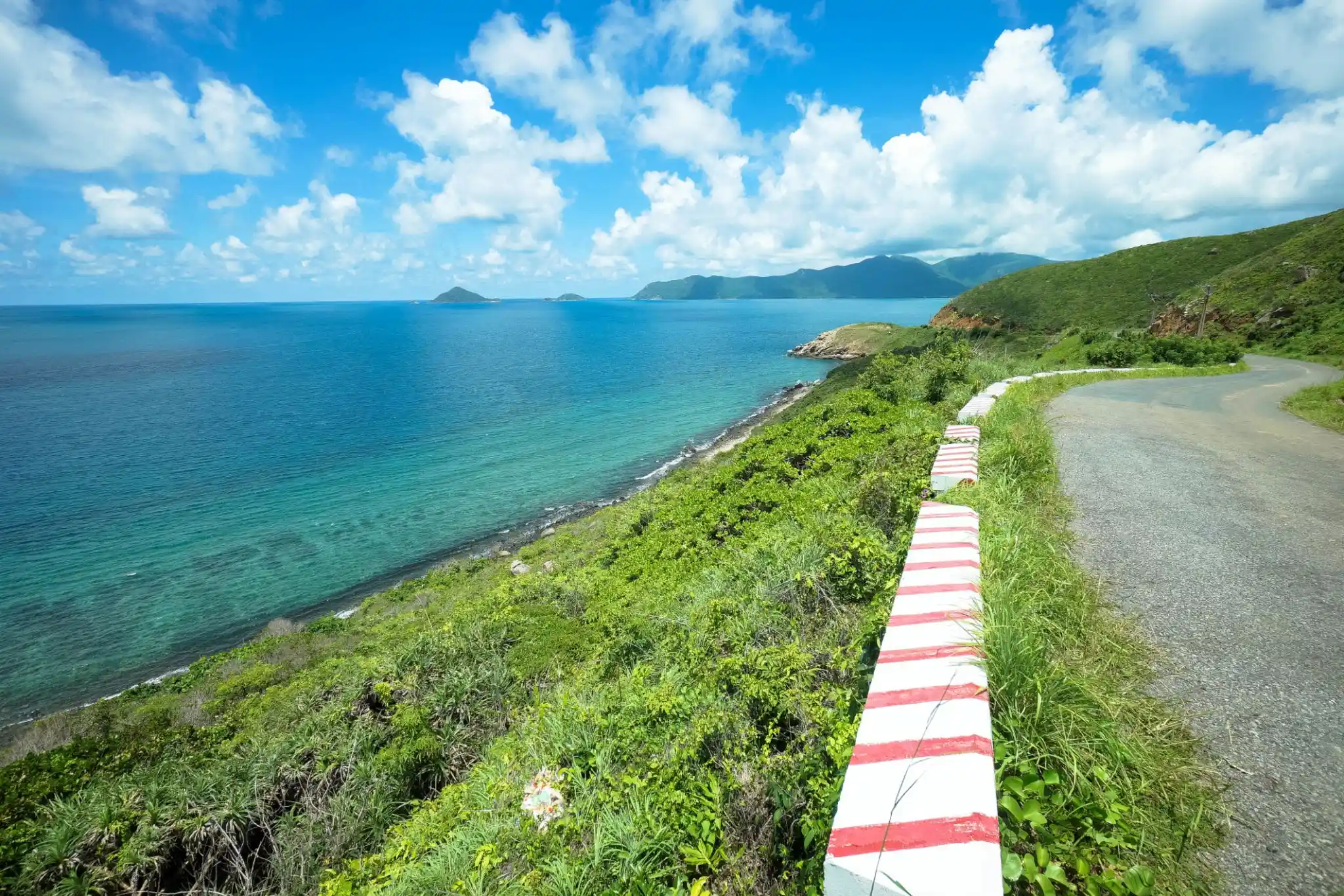
Instead of crowded resort cities like Nha Trang or Phu Quoc, Côn Đảo offers an isolated 16-island archipelago off the southern coast. Once a French-colonial penal colony, over 80% of the land and surrounding ocean is now protected as a National Park.
Key Highlights: Quiet coastal roads, snorkeling along healthy coral reefs, sea turtle nesting observations (May to October), and historic prison sites.
Why It’s Unique: Unspoiled island scenery with minimal nightlife and zero concrete beach developments.
The Trade-off: Transport requires a domestic flight from Ho Chi Minh City or a speedboat ride, keeping visitor numbers low.
5. Conclusion
Vietnam remains one of the world's most dynamic and rewarding travel destinations. While iconic sites like Ha Long Bay and Sapa offer undeniable beauty, the reality of mass tourism can occasionally detract from the experience.
By choosing to visit destinations like Bai Tu Long Bay, Phong Nha - Ke Bang, Pu Luong, Ban Gioc, and Côn Đảo, you swap crowded viewing platforms for quiet moments in pristine nature. These locations require slightly more travel planning and longer transit times, but they reward you with unforgettable landscapes, authentic cultural exchanges, and a deeper connection to Vietnam's natural heritage.
Packages that match this guide
Everything above is priced for booking it yourself. If you would rather it was arranged for you, these are the trips this guide is about.
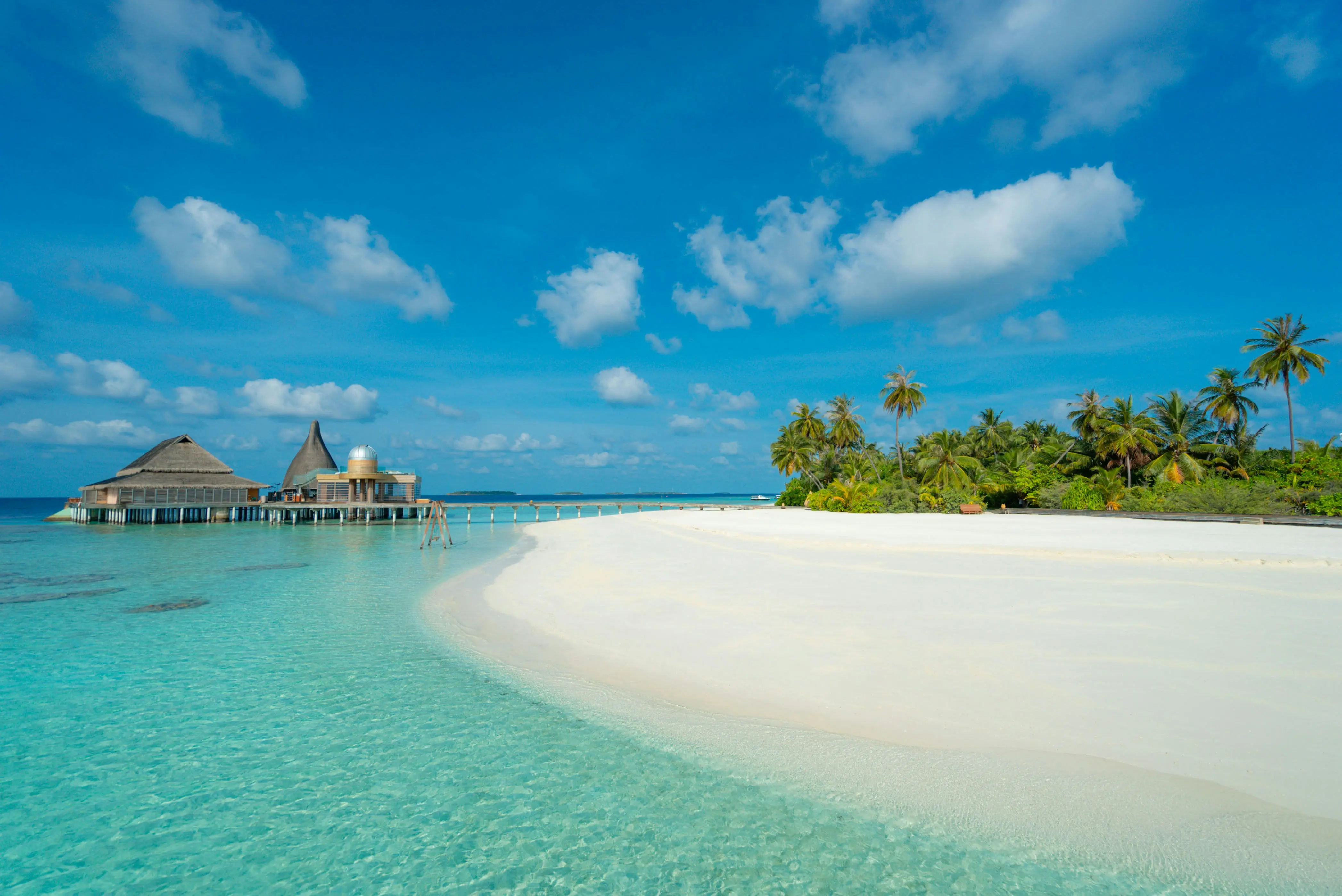
Maldives Island Duo Experience
Bangkok Pattaya Starter
Bangkok, Phuket & Krabi
Planning an international holiday?
Explore packages designed for Nepali travellers, with visa guidance and support from Kathmandu.
Explore Holiday Packages